

A new method for precisely destroying HIV-infected cells
Scientists have proposed a new approach to combating HIV: stimulate the division of infected cells and then destroy them with standard anticancer drugs at their most vulnerable stage. This method could increase the effectiveness of clearing the virus from the body.
Salus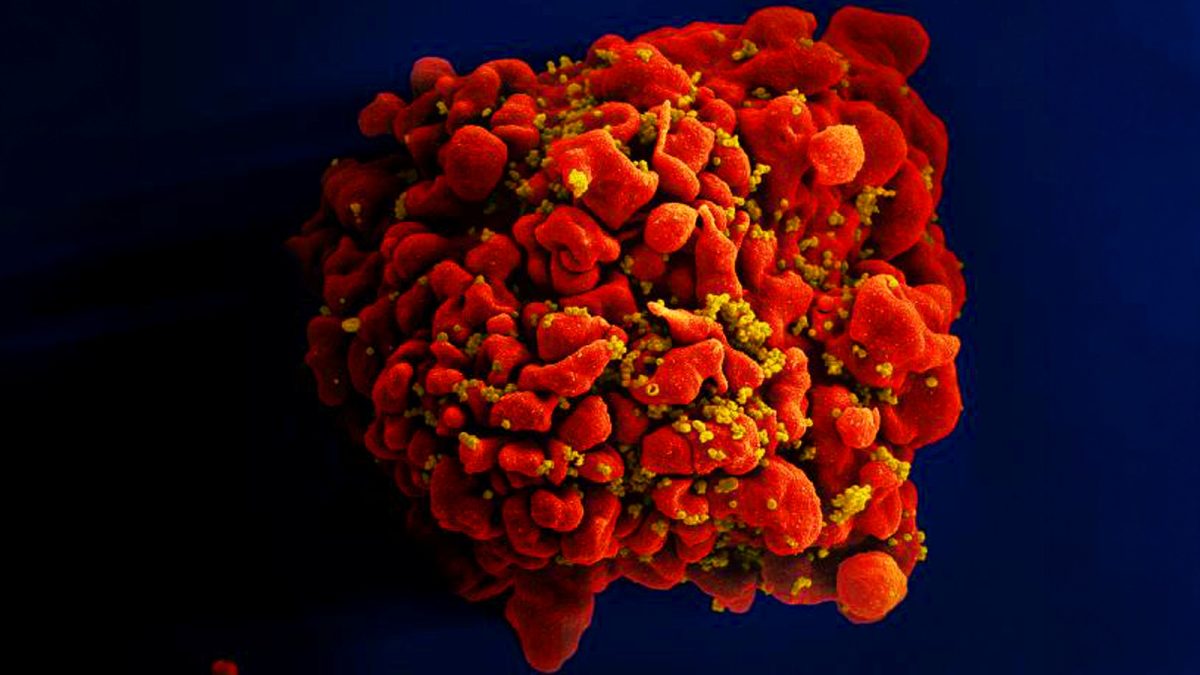
Medical researchers have developed an innovative approach that turns the ability of infected cells to divide into their main vulnerability. The scientists activated a “dormant” clone of HIV-infected lymphocytes, prompting them to divide, and then selectively destroyed these cells using standard anti-cancer drugs that inhibit cell division.
The Challenge of the Latent HIV Reservoir
The main obstacle to a complete cure for HIV remains the so-called latent reservoir. The virus integrates its genetic material into the DNA of T-cells and enters an inactive state, becoming invisible to antiretroviral therapy. Scientists have long tried to chemically “wake up” the virus so that the immune system can recognize and destroy the infected cells. However, this method has proven largely ineffective: the activating agents are often toxic, and the virus itself responds weakly to them.
A New Perspective: Treating a Patient
Researchers turned their attention to a case involving an HIV-positive patient undergoing treatment for lung cancer. After a course of chemotherapy (paclitaxel), the largest and most persistent clone of infected cells disappeared from his blood. Scientists hypothesized that these cells died not by chance, but because the drug targeted them during active division. Since HIV proteins were present in the patient’s blood, the T-cells, serving as a reservoir for the virus, were multiplying to fight it.
Testing the Hypothesis in the Lab
To confirm their theory, the team recreated the situation in laboratory conditions. They isolated a specific clone of lymphocytes containing the virus and identified a protein marker (a viral peptide) to which these cells respond. Next, they created a biological “trap”: the cell culture was treated with this peptide, stimulating the infected lymphocytes to actively divide. At the peak of this process, drugs that block the cell cycle—paclitaxel or the immunosuppressant mycophenolate—were added to the environment.
Experimental Results
The experiment confirmed their predictions: stimulation with the peptide alone, without drugs, led to a rapid expansion of the viral reservoir, but when combined with the drugs, the population of the infected clone decreased dramatically. Sequencing of individual cells showed the method’s high selectivity—only those lymphocytes that responded to the stimulus and began dividing were affected. Neighboring cells that ignored the signal survived even in the presence of toxic substances.
Method Prospects
This new study demonstrates that it is not necessary to activate the virus itself to reduce the viral reservoir. Instead, stimulating the division of the host cell and destroying it at its most vulnerable moment may be effective. This approach opens up the possibility of using short courses of chemotherapy for targeted “surgical” clearance of HIV infection.