

Buttery sauces enhance the health benefits of kale.
To help your body absorb the beneficial nutrients from kale more effectively, it's important to pair it with oil-based dressings or sauces. Fats significantly increase the bioavailability of carotenoids, regardless of how the vegetable is prepared.
Cursus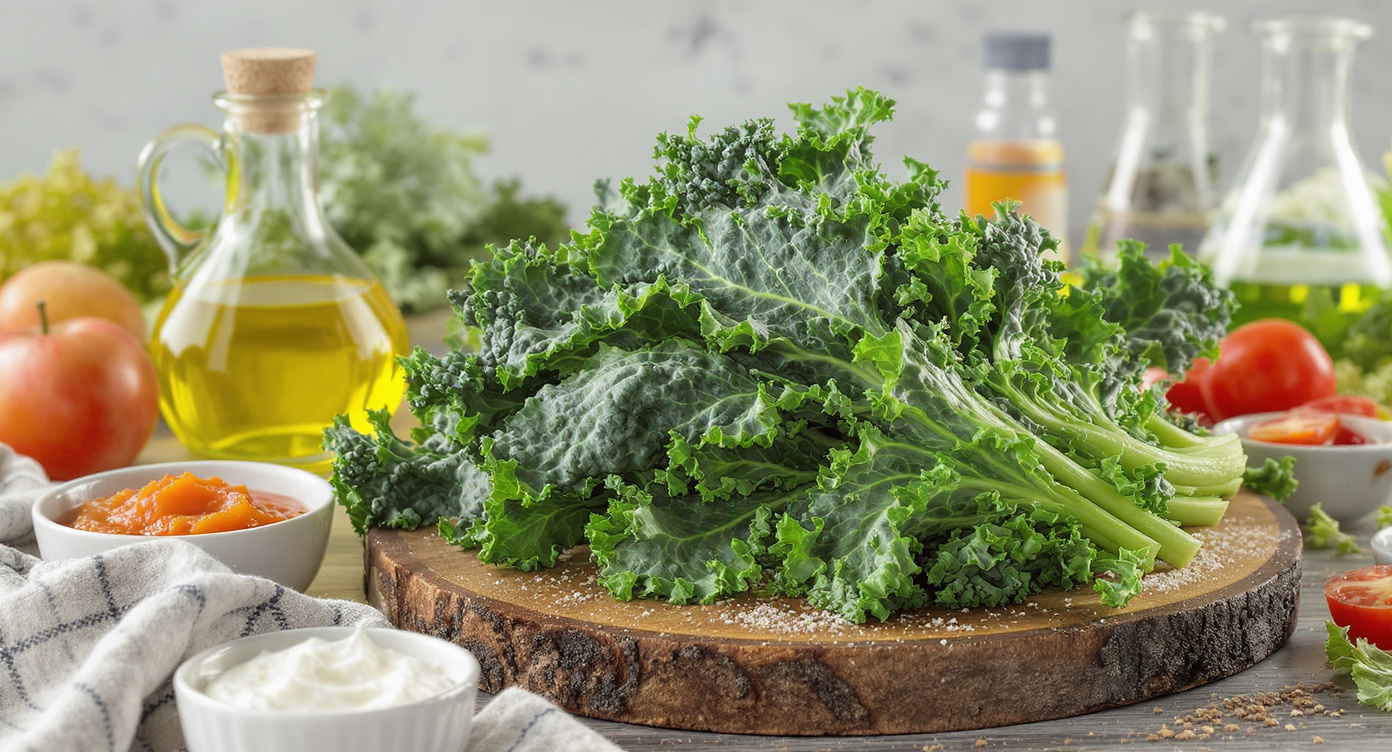
Kale: How to Increase the Absorption of Its Beneficial Nutrients
Why Kale’s Nutrients Are Not Always Easily Absorbed
Kale is renowned as one of the healthiest leafy greens, but its nutrients are not always easily absorbed by the body. Many people assume that simply eating a bowl of kale guarantees health benefits, but without the right accompanying ingredients, this vegetable may not deliver the expected results.
The Role of Oils and Innovative Sauces
Researchers at the University of Missouri have discovered a simple and tasty way to boost the absorption of valuable nutrients from kale—by using oil-based dressings or sauces. Fats help release nutrients that are otherwise difficult for the body to access, making them more available for absorption. It doesn’t matter much whether the kale is raw or cooked—the key factor is pairing it with olive oil, mayonnaise, or another oil-based dressing.
Modern developments include sauces based on nanoemulsions, which are even more effective at enhancing nutrient absorption. This opens up new possibilities for creating smarter products for healthy eating.
What Nutrients Are Found in Kale
Kale is rich in carotenoids such as lutein, α-carotene, and β-carotene, which have a positive impact on overall health. However, these nutrients are fat-soluble, not water-soluble, which makes them harder to absorb without the presence of fats. In addition to carotenoids, kale contains vitamins C and E, as well as other bioactive plant compounds that help strengthen the immune system, improve vision, and reduce the risk of diabetes, cardiovascular diseases, and certain types of cancer.
How the Study Was Conducted
To test their hypotheses, scientists used a laboratory model that simulates human digestion. They evaluated the absorption of nutrients from kale prepared in different ways: raw, cooked, and with various dressings and sauces, including innovative nanoemulsions.
The results showed that raw kale alone leads to very low absorption of carotenoids, and cooking it only slightly improves this. A significant breakthrough occurred when a nanoemulsion-based sauce was added: the amount of carotenoids absorbed increased dramatically, regardless of how the kale was prepared. Cooking kale together with the sauce had the same effect as adding the sauce after cooking.
Practical Takeaways and Future Prospects
These findings highlight the importance of science-based approaches to preparing vegetables for maximum benefit. Simply changing the cooking method or adding the right dressing can significantly improve nutrient absorption. In the future, we can expect the emergence of innovative sauces and dressings that will help maximize the health benefits not only from kale but also from other vegetables.
The research team is committed to advancing food science to improve human health by developing new products and technologies. They believe that meaningful scientific discoveries can lead to real changes in global nutrition and well-being.