

Why Students Overeat in College: A Scientific Perspective
A study found that college students often underestimate the number of calories they consume, especially when eating with others or in cafeterias. Social environments and emotions influence eating habits, which can lead to weight gain.
Salus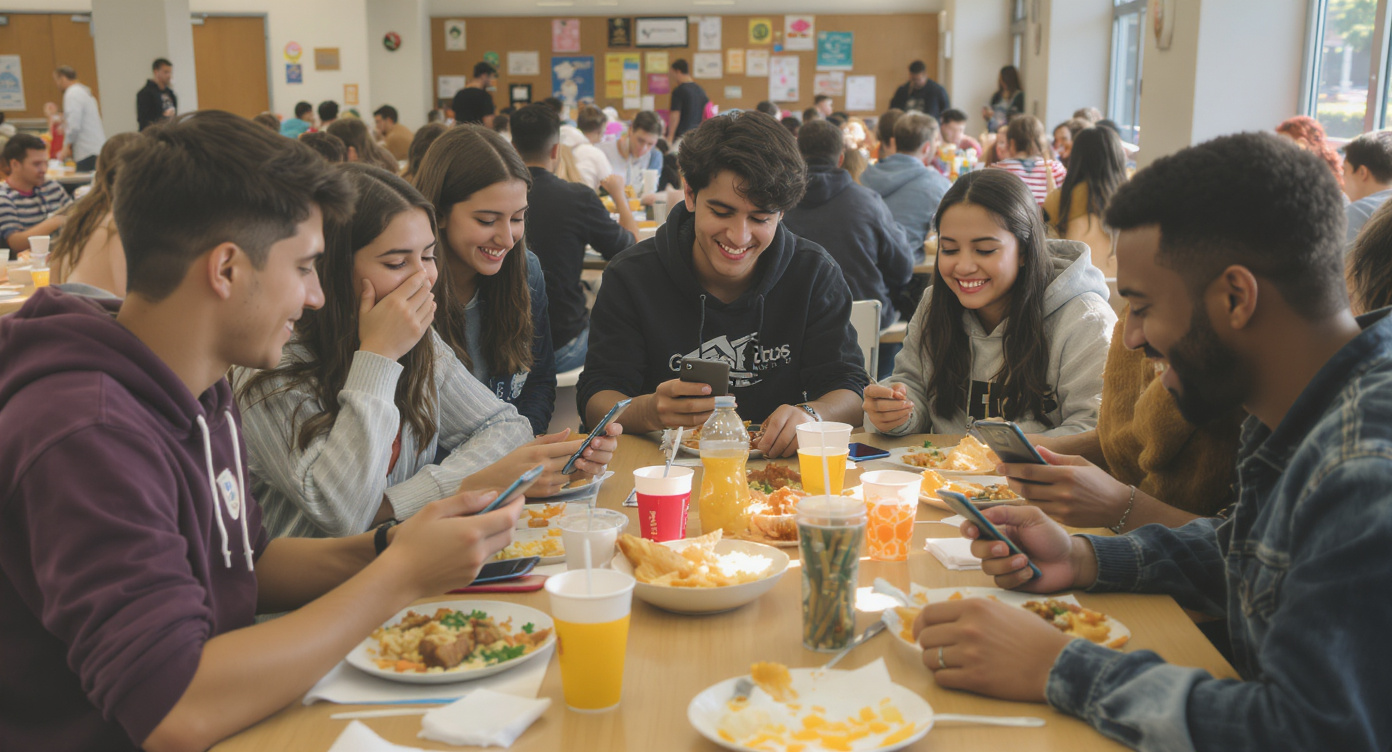
The student cafeteria and the unique social environment often lead students to consume more calories than they realize. Modern digital tracking methods help uncover hidden eating habits that can contribute to weight gain during the early years of college.
Why Students Gain Weight in Their First Year
Before starting college, freshmen receive plenty of advice: avoid signing up for 8 a.m. classes, maintain good relationships with roommates, and regularly wash your bedding. Among these tips, there’s often a warning about the so-called “Freshman 15”—the common phenomenon of gaining weight during the first year of college. But why does this happen so frequently?
The Impact of Social Environment and Dining Locations
An interdisciplinary research team led by Professor Alicia Hong, an expert in mobile and wearable technologies, explored this issue. The researchers found that the college atmosphere itself shapes eating behaviors, making students more likely to eat larger amounts, which over time leads to weight gain. According to Alicia Hong, social and environmental factors play a key role: “Students are influenced by the dining setting, especially the place and the company. Our study showed that they consume more calories when eating in groups or in formal settings.”
Over four weeks, study participants used a mobile app to track their food choices, dining locations, and emotional states, including stress and mood. The collected data revealed clear patterns: students tended to eat more when they were with at least one other person or dining in cafeterias and restaurants. When eating alone or at home, their food intake was lower.
Errors in Portion Estimation and the Role of Emotions
The results also showed that many students are not fully aware of their actual eating habits. Their subjective assessments often did not match the real calorie intake recorded by the app. Gender and emotional factors, such as stress and mood swings, further complicated eating behavior patterns. As Hong notes, “College students’ eating behaviors are complex and depend on individual, interpersonal, and external factors. This study highlights the importance of context when designing dietary interventions and the need to use digital tools to assess nutrition.”
The study, titled “Dynamics of Eating Behavior and Dining Environments Among College Students: Discrepancies Between App Data and Self-Reported Food Intake,” was published in the journal mHealth and supported by a grant from the College of Public Health at George Mason University.