

Bananas in smoothies reduce the benefits of berries, study finds
A new study has shown that adding bananas to berry smoothies reduces the absorption of beneficial flavanols. For maximum benefit, combine berries with fruits that have low PPO activity or with vegetables.
Salus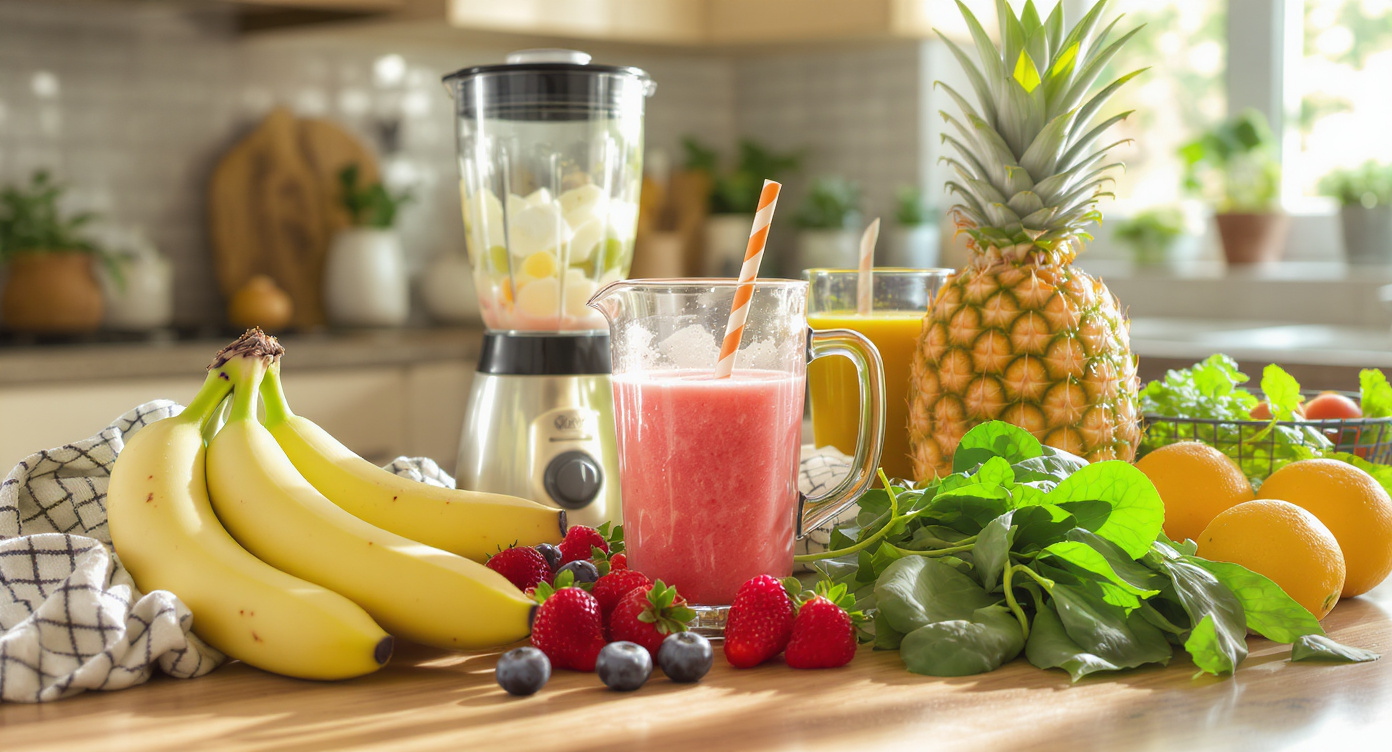
Fruit smoothies have long been a popular choice among healthy lifestyle enthusiasts—and for good reason. They offer a quick way to get vitamins, fiber, and antioxidants, and take just a few minutes to prepare. Bananas are often used as a smoothie base: they give the drink a creamy texture and natural sweetness, and pair well with most other fruits. But are bananas really the ideal ingredient for every smoothie?
How Ingredient Combinations Affect the Benefits of Smoothies
Recent research from the University of California, Davis, has shown that not all fruit combinations are equally beneficial. Some fruits, such as bananas and apples, contain the enzyme polyphenol oxidase (PPO), which causes them to brown quickly after being cut or peeled. This enzyme is a natural part of the fruit and is not harmful on its own.
Meanwhile, berries, grapes, blackberries, and cocoa are rich in flavanols—biologically active compounds that support heart and brain health, have anti-inflammatory effects, may lower blood pressure, and improve insulin sensitivity.
How Much Flavanols Does the Body Need?
According to the Academy of Nutrition and Dietetics, adults are recommended to consume 400–600 milligrams of flavanols per day. This is roughly equivalent to four cups of berries, two cups of brewed green tea, or 50 grams of dark chocolate. You can also get the necessary amount of flavanols from a glass of smoothie—but only if it’s prepared correctly.
Why Bananas and Berries Aren’t the Best Combination
The PPO enzyme found in bananas reduces the amount of flavanols that the body can absorb. In other words, while a banana-berry smoothie may taste great, it’s less beneficial from a nutritional standpoint compared to other options.
In the UC Davis study, participants drank two types of smoothies: one with banana, and one without. There was also a control group that took a flavanol capsule. The results showed that those who drank the banana smoothie absorbed 84% less flavanols compared to the control group.
The lead author of the study noted, “We were surprised at how quickly adding just one banana reduced the flavanol content in the smoothie and its absorption by the body. This highlights how preparation methods and ingredient combinations can impact nutrient absorption.”
Which Combinations Are Better to Choose?
If you want to get the most benefit from your smoothie, combine bananas with vegetables—such as kale, spinach, or cucumber. Berries are best mixed with fruits that have low PPO activity, like pineapple, mango, or orange.
The Importance of Drinking Smoothies Quickly
The study also showed that it’s important to drink your smoothie right after making it. The longer the drink sits, the more time the PPO enzyme has to break down flavanols and reduce their benefits. If you leave your smoothie for an hour, the effect of the flavanols will be almost zero. The less you delay, the more you benefit!
Tips for Maximum Benefit
- Add citrus fruits: the acidity of lime or orange reduces PPO activity.
- Use frozen bananas instead of fresh ones—lower temperatures slow down the enzyme and help preserve flavanols.
- Remember, even these tricks only slightly improve flavanol absorption and do not completely stop the enzyme’s activity.
Conclusion
To make your smoothie as healthy as possible, combine scientific insight, smart ingredient choices, cold, and freshness.
The results of this study were recently published in the journal Food and Function.