

AI apps underestimate the calorie and fat content of dishes
Modern AI applications for estimating calories from photos often significantly underestimate the calorie and fat content of dishes. Users are advised to treat their results with caution.
Cursus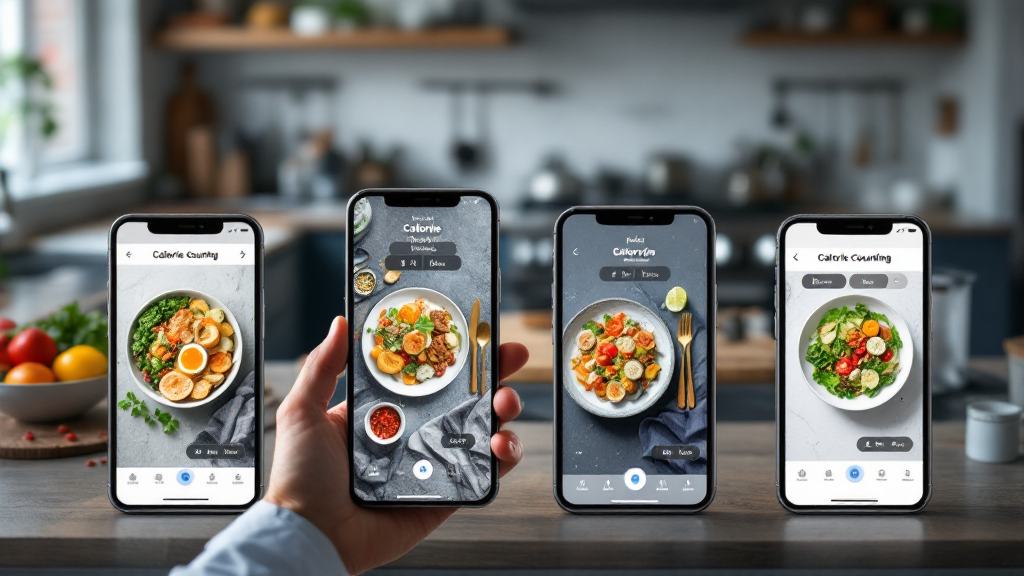
AI-powered calorie counting apps have been found to underestimate the calorie content of dishes by hundreds of calories on average, as well as underreport fat content by about 30 grams.
Assessing the Accuracy of AI Calorie Counting Apps
Modern applications that use artificial intelligence to analyze photos of meals offer a quick and convenient way to determine their nutritional value compared to manually entering ingredients and portion sizes. However, new research shows that these apps can significantly underestimate both the calorie and fat content of foods compared to actual values.
Research Methodology
The study tested four photo-based analysis apps: MyFitnessPal, LoseIt!, CalAI, and Appediet. Standardized photos of 102 dishes, prepared in a controlled metabolic kitchen where ingredients were weighed to an accuracy of 0.1 grams, were used for testing. This ensured highly accurate baseline data for comparison with the app results.
Main Findings
Across all four apps, average calorie estimates were lower by about 250–345 calories per serving, and fat content was underestimated by roughly 30 grams. The apps were more accurate when assessing higher-calorie dishes than lower-calorie ones. Carbohydrate estimates were more consistent compared to other macronutrients.
Additional Testing and Conclusions
Researchers later tested over 200 additional dishes to identify factors affecting app accuracy. Preliminary data indicated that the apps struggled most with dishes low in carbohydrates (such as those on a ketogenic diet), as these meals often contain more fat, which the apps consistently underestimated.
Practical Recommendations
Users who rely on photo-based calorie counting apps without adjusting portion sizes or entering product quantities are advised to interpret the results with caution. Actual calorie and fat intake is likely higher than what the apps report.
Future Prospects
Combining photo-based tools with traditional methods of dietary assessment and nutrition quality evaluation may improve the accuracy of calorie counting in everyday life.
The study results are considered preliminary until published in a peer-reviewed scientific journal.