

In Nigeria, the floating LNG plant project has resumed.
The UTM Offshore floating liquefied natural gas plant project in Nigeria has advanced following the signing of a key gas supply agreement. The facility is expected to begin operations in the second quarter of 2030, and the new agreements will expand cooperation in the gas sector and related industries.
Petrus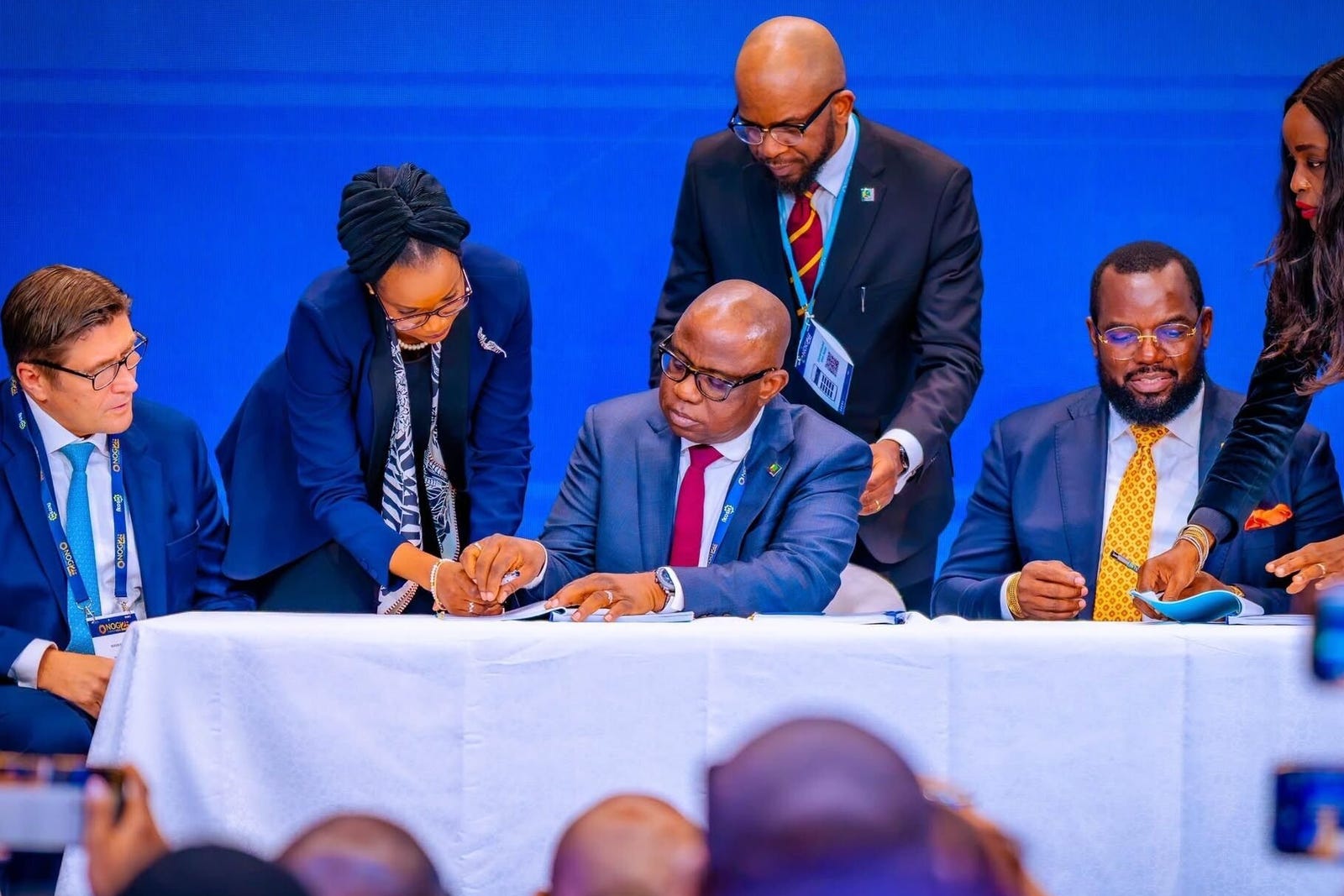
The floating liquefied natural gas (FLNG) plant project by UTM Offshore, a company based in Lagos, which had previously been postponed in Nigeria, has gained momentum following the signing of a key gas supply agreement.
Main Agreement Parameters
The agreement provides for the supply of gas to the planned UTM FLNG vessel, which is designed for an annual production capacity of 1.8 million tons. UTM has signed a gas purchase agreement with a joint venture between the state-owned NNPC and Seplat Energy. The agreement stipulates the delivery of 200 million cubic feet of gas per day from the Yoho field in OML 104 for a period of 15 years.
Project Implementation Progress
The gas liquefaction project was launched in 2021, with preliminary engineering work completed that same year. In October 2023, JGC and Technip Energies completed the main design phase, and KBR was appointed as the owner's engineer. In 2024, preferred manufacturing sites for construction were selected.
Initially, the launch of the UTM project was scheduled for 2026, but the timeline has been postponed several times. Currently, the facility is expected to begin operations in the second quarter of 2030. The main reason for the delay is the postponed acquisition by Seplat of ExxonMobil's assets, including a 40% stake in OML 104.
Ownership Structure
UTM holds a 78% stake in UTM FLNG Ltd, the company implementing the project. NNPC is a partner with a 20% share, while the government of Delta State in Nigeria owns 8%.
Additional Agreements
On the same day the UTM agreement was signed, NNPC also concluded other important deals. Memorandums of understanding and agreements on gas supply aggregation were signed with Ajaokuta Steel Company. These documents aim to expand cooperation between the companies beyond the gas sector, including stimulating the production of raw materials for pipelines needed for major infrastructure projects such as the African-Atlantic Gas Pipeline (from Nigeria to Morocco) and the Escravos-Lagos Pipeline System 3.
The agreement with Ajaokuta provides for the supply of 3 million cubic feet of gas per day on a permanent basis and 47 million cubic feet on an intermittent basis for use as feedstock for the company's steel plant power station.
Development of Gas Infrastructure
Agreements were also signed for connection to the gas network (NEA) with Chevron, AGPC, and NNPC Exploration & Production. The NEA regulates the flow of gas controlled by these companies into Nigeria's gas supply system. These agreements will allow up to 800 million cubic feet of gas per day to be fed into the national transmission network, providing fuel for power plants, gas enterprises, and industrial clusters.