

Sleep apnea increases the risk of Parkinson's disease
A new study has shown that untreated sleep apnea is linked to an increased risk of developing Parkinson's disease, while the use of CPAP therapy can significantly reduce this risk.
Salus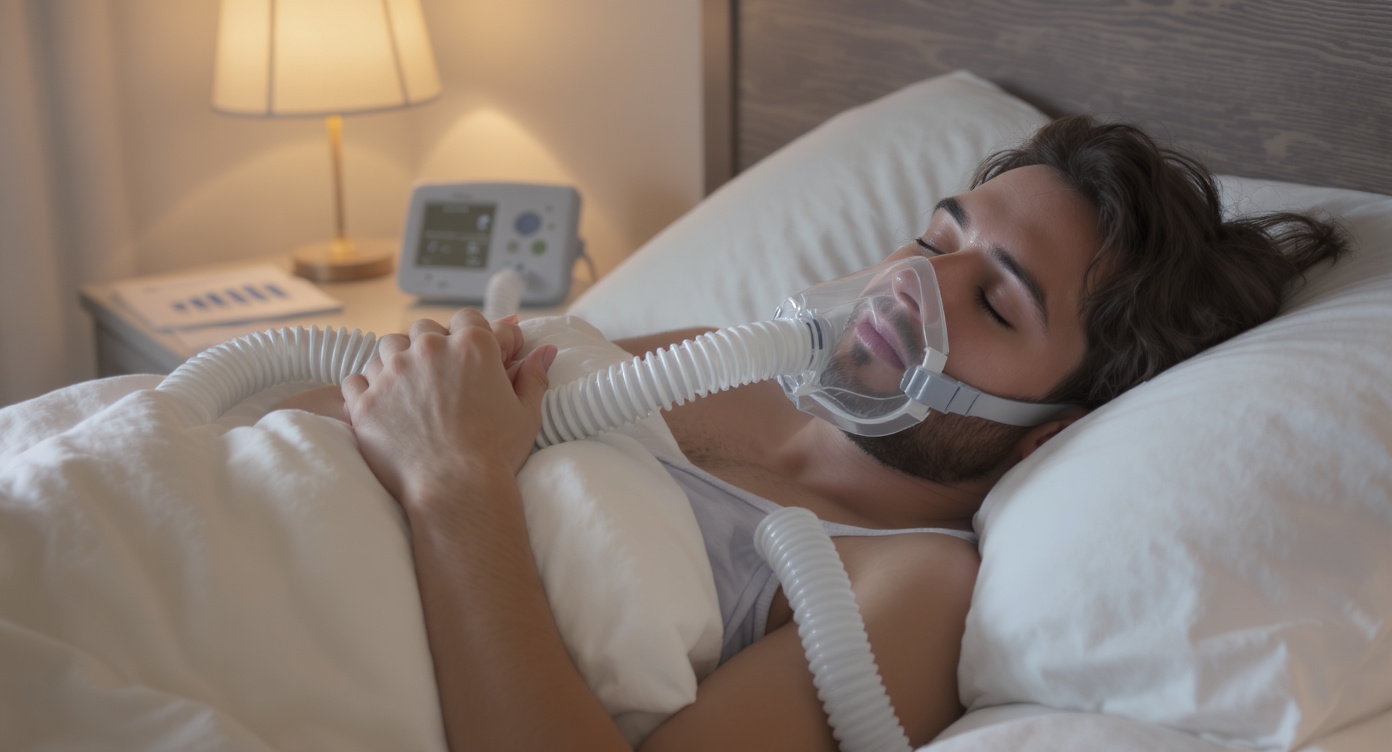
A new study has found that people with untreated obstructive sleep apnea have a significantly higher risk of developing Parkinson's disease. Using a continuous positive airway pressure (CPAP) device may help lower this risk by improving sleep quality and providing a steady flow of air throughout the night.
The research, published on November 24 in the journal JAMA Neurology, analyzed electronic medical records of more than 11 million U.S. military veterans who received care in the Department of Veterans Affairs system from 1999 to 2022. The scientists discovered that prolonged lack of treatment for sleep apnea was linked to an increased likelihood of developing Parkinson's disease.
Even after accounting for factors such as obesity, age, and high blood pressure, the researchers found a clear connection between untreated sleep apnea and Parkinson's disease. Among the millions of veterans with this diagnosis, those who did not use CPAP therapy were nearly twice as likely to be diagnosed with Parkinson's compared to those who used this treatment method.
Sleep apnea occurs when a person's breathing repeatedly stops and starts during sleep, leading to reduced oxygen levels in the body. When oxygen supply is insufficient, neurons also begin to function less effectively. Over time, this may help explain why using CPAP can reduce the risk of neurodegenerative diseases, including Parkinson's disease.
The study's findings highlight the importance of prioritizing sleep health, especially given the increased risk of Parkinson's disease. While some people with sleep apnea are hesitant to start using CPAP, many report significant improvements in well-being and reduced fatigue after beginning therapy. The information about lowering the risk of Parkinson's may encourage more people to try this treatment option.