

Sikorsky Nomad 100: A Breakthrough in Autonomous VTOL Aircraft
At the Farnborough Airshow, the prototype Sikorsky Nomad 100—an innovative unmanned VTOL aircraft with a blown wing—made its maiden flight. This new model combines the advantages of airplanes and helicopters, opening up new possibilities for autonomous military missions.
Ingenium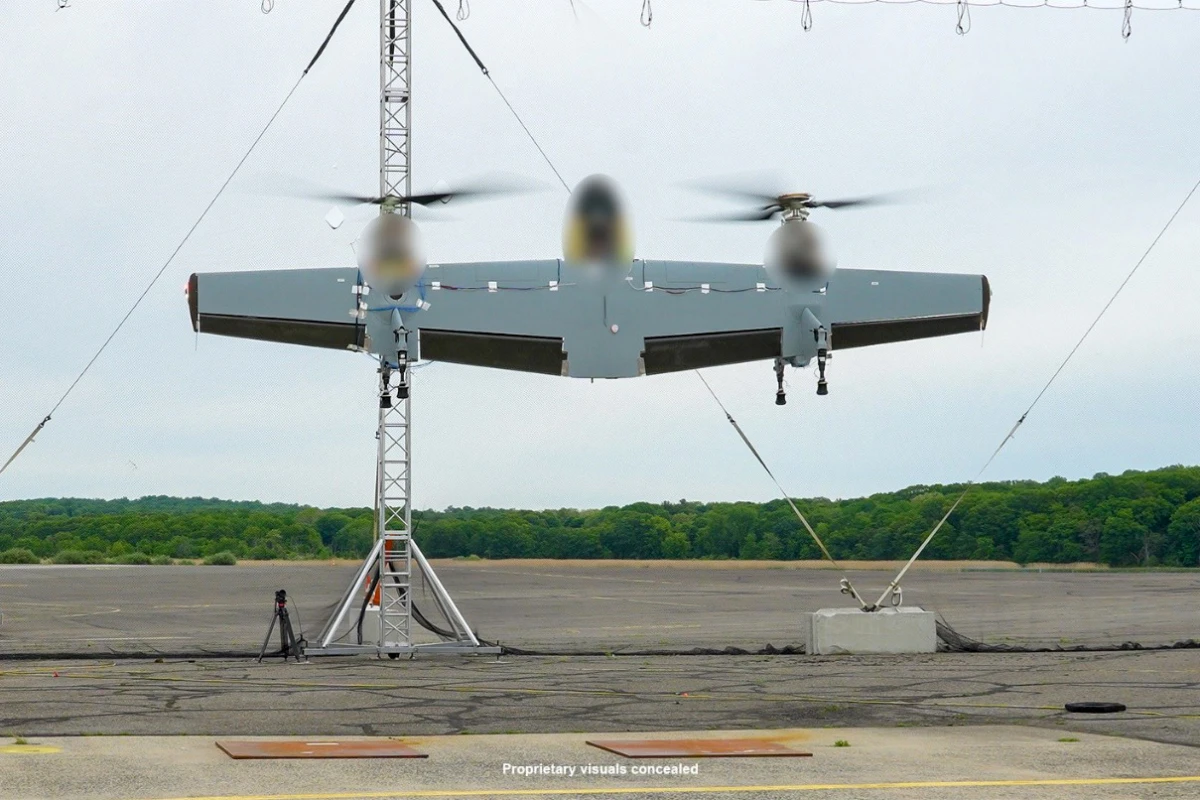
New VTOL Concept: First Flight of the Sikorsky Nomad 100 Prototype
Debut of an Innovative Aircraft
At the Farnborough International Airshow, the first flight of the Sikorsky Nomad 100 prototype was unveiled—a vertical takeoff and landing (VTOL) aircraft with a wing powered by propellers. This event marked the official launch of the Nomad family.
Design Features and Objectives
The Nomad 100 was developed by Sikorsky, a subsidiary of Lockheed Martin, as part of DARPA’s Early VTOL Aircraft Demonstration (EVADE) program. The aircraft combines the advantages of both airplanes and helicopters, utilizing the blown wing principle to achieve high performance in both categories.
VTOL aircraft can take off and land in confined spaces, such as ship decks or open fields, where runways are unavailable. However, compared to traditional airplanes, they typically have lower speed, payload, and range. Airplanes require runways or special launch and landing equipment but offer greater payload capacity and range.
Blown Wing Technology
The use of propellers allows air to be directed over the wings, generating lift during vertical takeoff, hovering, and transition to horizontal flight. Once in horizontal mode, the aircraft benefits from airplane-like speed, range, and payload capabilities.
Scalable Family and Military Applications
The Nomad 100 serves as a prototype for a scalable family of autonomous drones, with sizes potentially reaching that of a Black Hawk helicopter. These aircraft are designed for a variety of military missions, including reconnaissance, maritime patrol, light strike, and supply operations.
Testing and Autonomous Systems
The maiden test flight confirmed the effectiveness of the blown wing configuration and demonstrated the ability to take off and land outside of prepared sites. The MATRIX autonomous flight control system was showcased, allowing operators to focus on mission execution rather than piloting.
Development Prospects
The primary goal of the first flight was to validate the chosen configuration, demonstrate takeoff and landing on unprepared surfaces without special equipment, and test the performance of autonomous flight control systems in complex dynamic conditions. Ongoing flight tests aim to further develop autonomous technologies and ensure safe, reliable mission execution in a wide range of environments.