

The Australian Davis Station is set for a major modernization.
The architects at Hugh Broughton Architects will carry out a major modernization of the Davis Antarctic station, constructing new energy-efficient buildings and upgrading the infrastructure to enhance comfort and sustainability in the harsh environment.
Aedis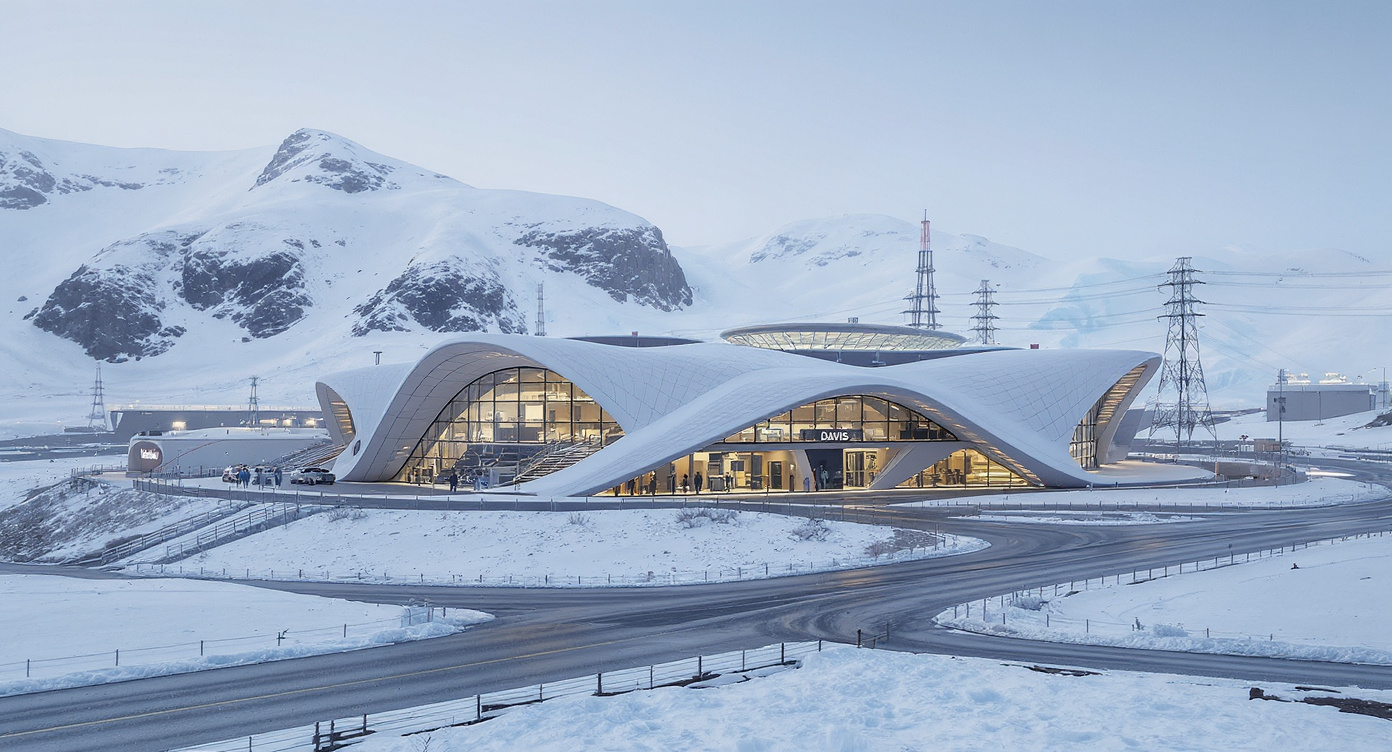
Thanks to the experience gained from designing the Halley VI Antarctic research station, the architectural firm Hugh Broughton Architects is well-versed in creating projects for extreme climatic conditions. This expertise has proven valuable: the company has been commissioned to carry out a major modernization of Australia’s Davis Station in Antarctica.
About Davis Station
Davis is Australia’s southernmost Antarctic research base. It is located near the Vestfold Hills, on the Ingrid Christensen Coast in Princess Elizabeth Land, about 20 kilometers from the edge of the continental ice sheet. Although the local conditions are considered relatively mild by Antarctic standards due to the protection offered by the rocky terrain, the environment remains harsh: temperatures range from a summer high of +13 °C to a winter low of –40 °C. During the winter months, staff spend most of their time in darkness, with only one or two hours of twilight each day.
Key Changes and Modernization
Hugh Broughton Architects will implement a series of upgrades at the station, the most significant of which will be the construction of a large vehicle maintenance facility and office building. The new structure will use a modular design with insulated, aerodynamic construction, which will help reduce snow accumulation and improve resistance to strong winds.
The Central Element of the Project
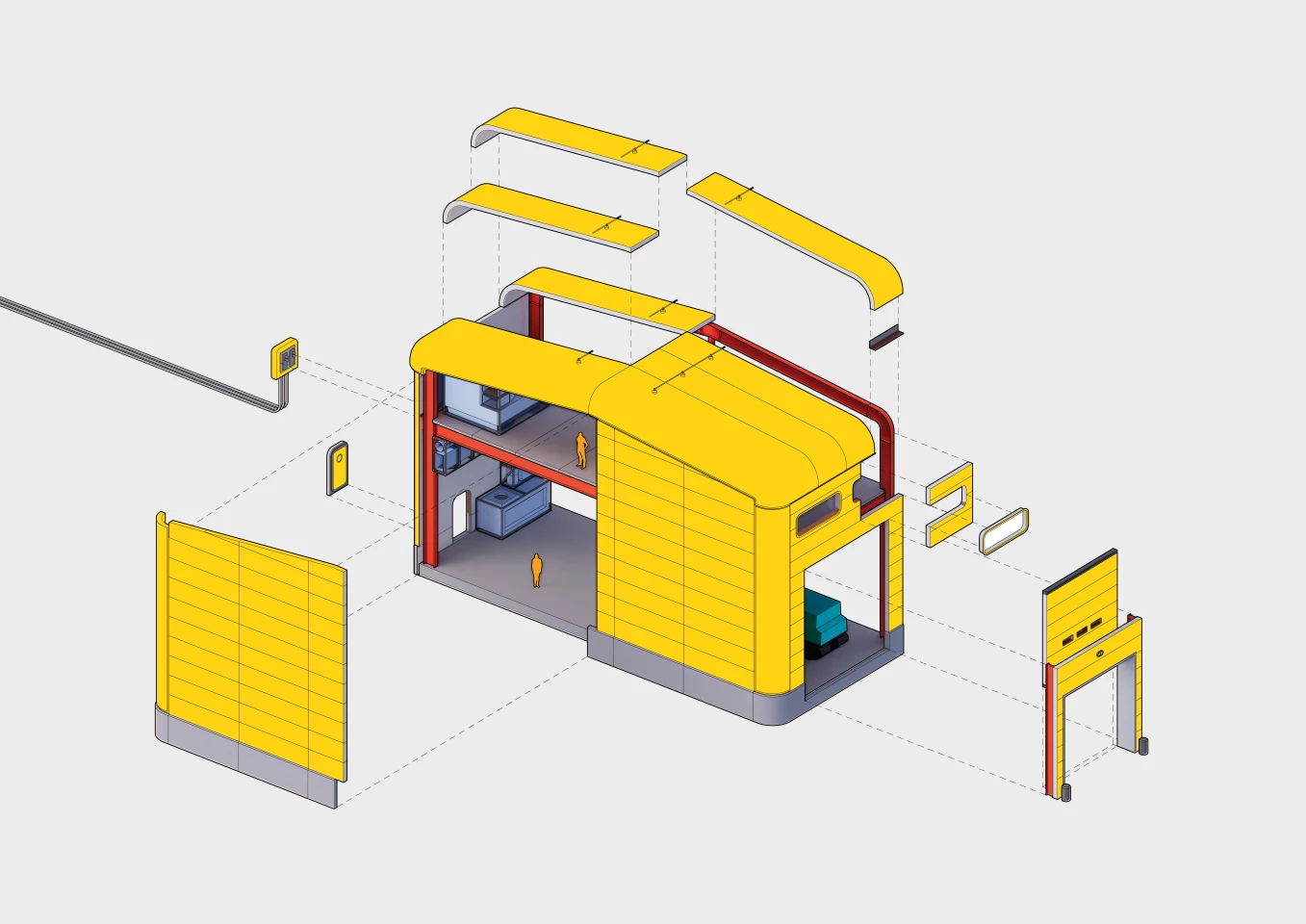
The centerpiece of the modernization will be a new utilities building, which will house the vehicle workshop, main power station, workshops, engineering offices, storage areas, and supporting equipment. The aerodynamic design is based on a kit-of-parts principle, allowing similar components to be used in future buildings, increasing efficiency, simplifying construction, and making maintenance easier.
Additional Improvements
In addition to constructing the new building, the architects will install a modern main power station, dismantle outdated infrastructure, and remove hazardous asbestos. The water supply system will also be upgraded: the installation of a reverse osmosis system will allow the production of drinking water from seawater, increasing the number of scientists who can work at the base.
Timeline and Budget
Construction on site is scheduled to begin at the end of 2026, with completion expected by mid-2032. The project budget is 250 million Australian dollars (approximately 162 million US dollars).