

Mondelēz accelerates the transition to sustainable production
Mondelēz International has achieved 100% sustainable sourcing of cocoa and palm oil, increased its share of cage-free eggs, but saw a decrease in the proportion of dairy products meeting formal animal welfare standards. The company also surpassed its targets for reducing water consumption and greenhouse gas emissions.
Natura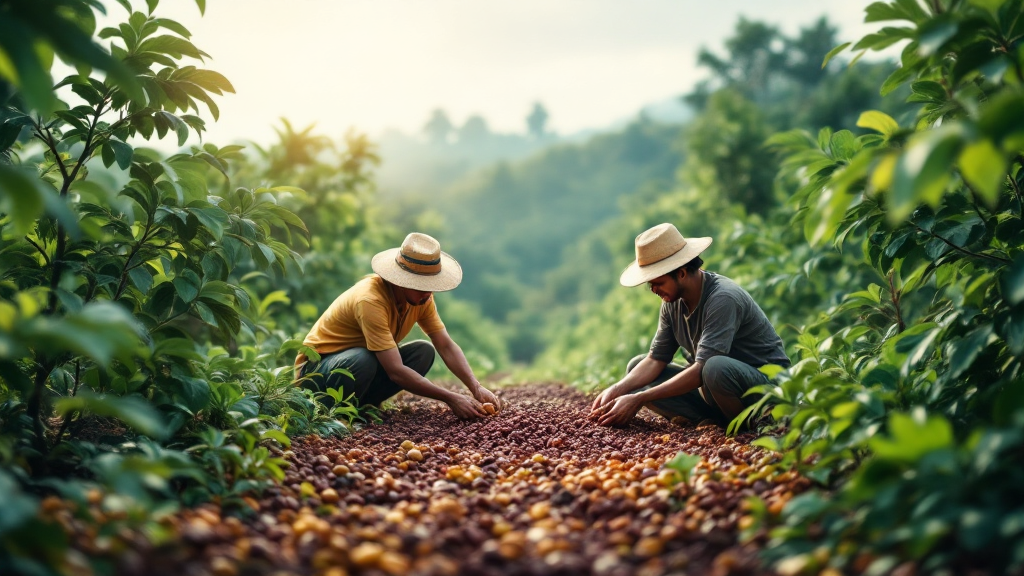
Mondelēz International has released updated data on its progress toward achieving its sustainable sourcing goals by 2025. The company has met its targets for sourcing cocoa and palm oil, but the proportion of dairy suppliers meeting formal animal welfare standards has slightly decreased.
Cocoa and Palm Oil
Mondelēz has reached 100% sustainable cocoa sourcing for its chocolate brands through the global Cocoa Life program, surpassing last year’s figure of 91%. Launched in 2012, Cocoa Life aims to prevent deforestation and child labor in cocoa supply chains, as well as to improve farmers’ livelihoods. Independent third-party verification is used to track cocoa volumes.
The company has also maintained 100% sustainably produced palm oil, fully certified according to the standards of the Roundtable on Sustainable Palm Oil (RSPO). RSPO sets and monitors global standards for sustainable palm oil production and procurement.
Eggs and Dairy Products
The share of eggs sourced from cage-free hens increased from 66% in 2024 to 82% in the latest report. These figures exclude eggs from Russia, Ukraine, China, Morocco, and Vietnam. Mondelēz plans to achieve 100% cage-free egg usage by 2027, except in these five countries. By 2030, the company expects to reach a similar level in Vietnam and continues to address cage-free egg sourcing in other regions.
Meanwhile, the share of dairy products purchased from suppliers with formal animal welfare standards decreased from 67% in 2024 to 65% in 2025.
Environmental Indicators
The company reported an 18% reduction in absolute water consumption at priority sites by 2025 compared to the 2018 baseline, exceeding the target of 10%. Priority sites are located in regions with high or extremely high water risk, as assessed by the World Resources Institute. Absolute water consumption does not include rainwater collected and used on-site, nor water returned to natural sources without alteration.
Mondelēz also reduced greenhouse gas emissions at its manufacturing sites by 45% by 2025 compared to 2018. In 2024, the reduction was 37%.