

Los Angeles 2028: An Olympics Without Major Construction
The 2028 Olympics in Los Angeles will focus on utilizing existing infrastructure and minimizing new construction, as well as limiting private car use to promote sustainable development. This approach could serve as a model for future Games.
Aedis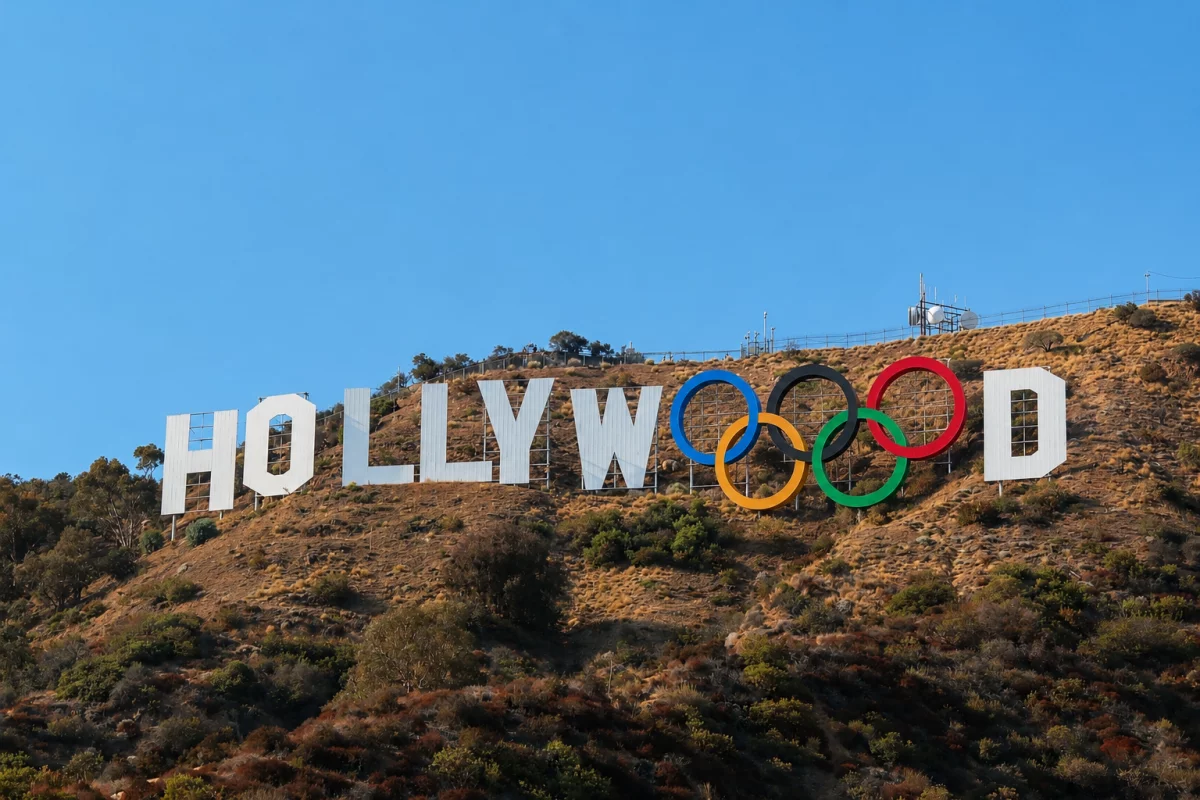
In 2028, Los Angeles will become the first city to host the modern Olympic Games for a third time, following previous editions in 1932 and 1984.
A New Approach to Organizing the Olympics
The 2028 Summer Olympics, known as LA28, are being planned with a focus on minimizing new construction. Unlike previous host cities that built large-scale sports venues, Los Angeles is embracing a “no-build Olympics” concept, making use of existing infrastructure with only minimal upgrades where necessary.
Utilizing Existing Venues
The city will rely on professional sports arenas, university facilities, and entertainment complexes. Key competitions will take place at venues such as SoFi Stadium, Crypto.com Arena, and the Los Angeles Memorial Coliseum. Events will be spread throughout Southern California. Where existing venues are insufficient, temporary or repurposed facilities will be used. For example, cricket matches will be held at specially constructed temporary sites.
This strategy helps reduce costs, avoids the long-term maintenance of unused structures, and offers flexibility. Temporary facilities can be dismantled or adapted after the Games, minimizing environmental impact.
Modernization and Adaptation
The LA28 plan includes upgrading dozens of venues to meet Olympic standards, such as modernizing infrastructure, improving accessibility, and installing temporary stands and athlete services. Olympic events will be held across the greater Los Angeles area, reflecting the city’s decentralized structure and its status as a global hub for sports and entertainment.
Transport Strategy: “Car-Free Olympics”
Los Angeles is known for its reliance on cars: in 2022, 93% of all passenger kilometers were traveled by private vehicles. Organizers plan to limit car use during the Games. Spectators will be encouraged to use public transportation, shuttles, and park-and-ride systems, while parking at venues will be significantly restricted. The goal is to ensure all ticket holders can reach venues without private cars, even though currently only about 2% of trips are made by public transport and 5% on foot.
Developing Transport Infrastructure
No entirely new transport system is planned for the Games, but ongoing projects are being accelerated and existing infrastructure is being improved. Plans include extending rail lines, expanding the bus network, and enhancing connections between key locations. Thousands of buses from other regions may be brought in to handle peak demand. Measures such as promoting remote work and adjusting work hours are also being considered to reduce transport congestion.
Environmental and Economic Sustainability
Both the venue and transport strategies are grounded in the idea of sustainable development. Avoiding new construction reduces carbon emissions and environmental damage. Limiting car use should decrease traffic congestion and improve air quality. This approach reflects a shift toward more environmentally responsible hosting of major events.
Potential Risks and Future Impact
Implementing these plans comes with certain risks: the capacity of public transport may be stretched to its limits, and changing the habits of residents and visitors will require significant effort. Timely completion of infrastructure upgrades is also crucial.
Nevertheless, if Los Angeles succeeds in this approach, it could set a new standard for future Olympics, reducing the need for large-scale construction and encouraging more efficient use of resources.
Conclusion
The 2028 Olympics in Los Angeles are focused not on building new facilities, but on making the most of existing resources. The city aims to redefine how the Games are hosted, making them more sustainable, efficient, and aligned with modern demands. Success will depend on the execution of these plans, but the goal is to create an Olympics that meets the realities of the 21st century.