

Four consortia compete for the Adnoc Gas contract
Four international consortia are competing for a major EPC contract worth up to $8 billion to implement the Bab Gas Cap gas project in Abu Dhabi. The project involves developing new fields and constructing a plant, which will strengthen the UAE’s gas independence by 2030.
Petrus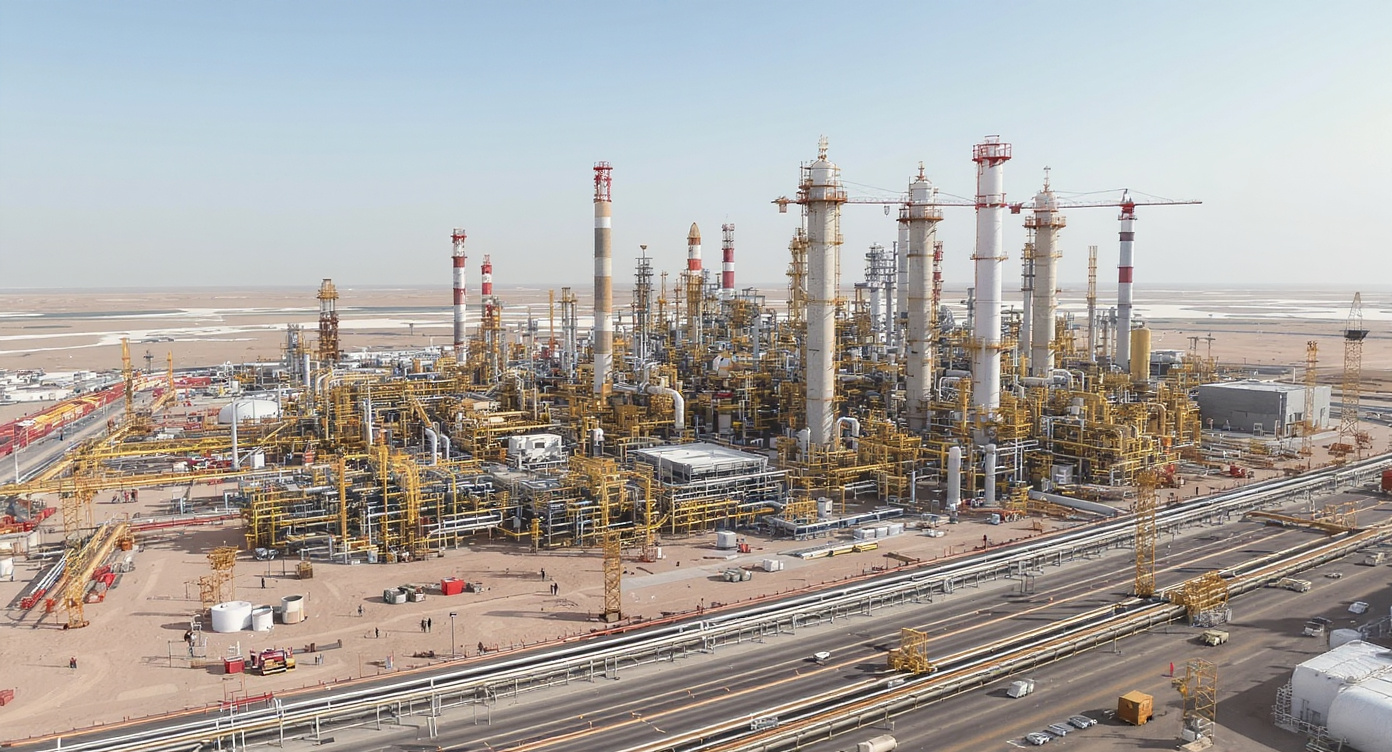
At least four major international contracting groups are preparing to participate in the tender for an EPC contract (engineering, procurement, and construction) worth up to $8 billion for the state-owned company Adnoc Gas as part of the large-scale Bab Gas Cap (BGC) gas project in Abu Dhabi.
Main Information about the BGC Project
The BGC project, implemented by a subsidiary of Abu Dhabi National Oil Company (Adnoc), involves the development of three undeveloped gas fields in Abu Dhabi and the establishment of production at a new facility. Adnoc is in the final stages of making an investment decision for the Umm Shaif Gas Cap and BGC projects.
Earlier this year, the operator conducted a prequalification round for the BGC gas plant EPC package. The tender documents are expected to be issued to the selected bidders in June, although a delay of several weeks is possible due to the geopolitical situation in the region.
Tender Participants
Four major consortia have passed the prequalification stage to participate in the project:
- Larsen & Toubro (India) in partnership with Samsung E&A (South Korea)
- Technip Energies (France), Sinopec (China), and JGC (Japan)
- Tecnimont (Italy) with China Petroleum Engineering & Construction Corporation (CPECC)
- Saipem (Italy), NMDC Energy (Abu Dhabi), and Consolidated Contractors Company (CCC, Middle East)
Project Structure and Cost
The BGC project includes at least four EPC packages. The largest of these is the gas plant package (Package 1), which could be worth up to $8 billion, although the operator estimates the cost at around $6 billion. In recent months, project costs have risen due to increased logistics and insurance expenses amid the conflict in the Middle East. The final cost may exceed the operator’s internal estimates, and further increases will depend on the security situation in the region.
Technical Specifications
The BGC gas plant package provides for the construction of at least two gas processing trains, each capable of handling over 900 million cubic feet of gas per day. The project includes both new facilities (greenfield) and upgrades to existing ones (brownfield).
The greenfield package covers inlet separation units, condensate stabilization, acid gas removal, gas dehydration, extraction of liquid hydrocarbons, gas compression, wastewater treatment, and other related facilities. The brownfield package includes interconnecting facilities, a sulfur granulation plant in Habshan, and other key infrastructure.
The project also includes several smaller packages, for which expressions of interest (EOI) were previously invited, including onshore facilities for early works and onshore pipelines.
Outlook and Investment Plans
The final investment decision on BGC is expected by 2026, which will lead to additional capital expenditures for the company. Adnoc Gas’s investment plan through 2029 covers a number of major projects, including Rich Gas Development (RGD), IGD-2, Meram, an LNG export terminal in Ruwais, as well as several approved smaller projects.
The BGC project is linked to the development of an oil and gas field in the upstream segment and has the potential to produce significant volumes of condensate. The BGC gas plant will be located in the Habshan area, about 170 kilometers from the Emirate of Abu Dhabi.
Context of Gas Sector Development
A wave of new gas projects in the UAE, including Hail & Ghasha, BGC, Ruwais Diyab, and others, will increase gas supplies by the end of the 2020s. Combined with the adoption of alternative energy sources such as solar and nuclear, this will enable Adnoc to achieve its gas self-sufficiency targets by 2030.
In June, Adnoc announced plans to sign contracts for projects totaling 200 billion dirhams ($55 billion) between 2026 and 2028, accelerating its investment program following the UAE’s exit from the OPEC oil producers group.