

AI system detects driver fatigue and alcohol consumption
Australian researchers have developed an AI system that analyzes video recordings of a driver's face to accurately detect signs of intoxication, fatigue, and aggression. The technology operates passively and works even in the dark, offering an alternative to traditional breathalyzers.
Crius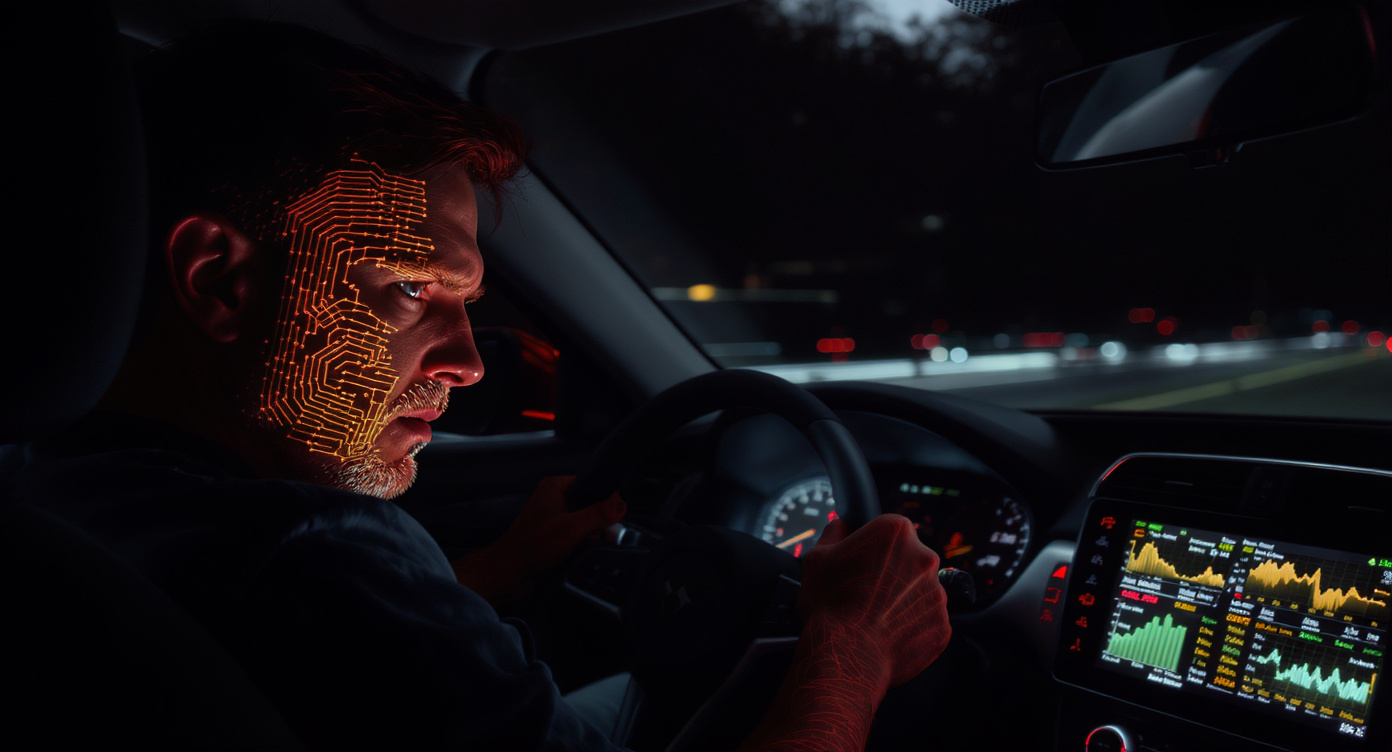
Researchers have developed an artificial intelligence system that continuously monitors a driver's face to detect signs of alcohol intoxication, fatigue, and aggressive behavior on the road. This technology offers an alternative to traditional breathalyzers, eliminating the need for physical interaction.
At Edith Cowan University (Australia), a program has been created that can determine states of intoxication, fatigue, and anger in drivers by analyzing video recordings of their faces. The system, named "Jack of Many Faces," examines facial micro-movements, blinking, and overall expressions to simultaneously track the three main causes of road accidents.
System Accuracy and Capabilities
According to the research team, the system can estimate blood alcohol concentration with about 90% accuracy and detect fatigue with 95% accuracy. It also classifies drivers into three categories: sober, moderate, and severe. Since severe fatigue can manifest with symptoms similar to intoxication, and anger can lead to dangerous aggression on the road, monitoring all three conditions at once provides a comprehensive assessment of driver safety.
The algorithm distinguishes between drowsiness, specific facial expressions, and signs of alcohol intoxication, allowing for a more precise evaluation of the driver's actual physical state.
Advantages Over Traditional Methods
Unlike breathalyzers and blood tests, which require active participation and the driver's presence, the new technology works passively and continuously in real time, without the need for physical contact.
Performance in Low-Light Conditions
To ensure effective operation at night, the development team created an additional model that combines standard color video with infrared night imaging. Merging these two types of video streams enables the system to accurately extract important facial geometric parameters even in darkness, improving the precision of its analysis.