

A new generation hydrogen turbine sets a record
Researchers from KIT have developed a new-generation hydrogen turbine, setting a record for continuous operation without a compressor. This technology paves the way for more efficient and environmentally friendly energy solutions.
Vigor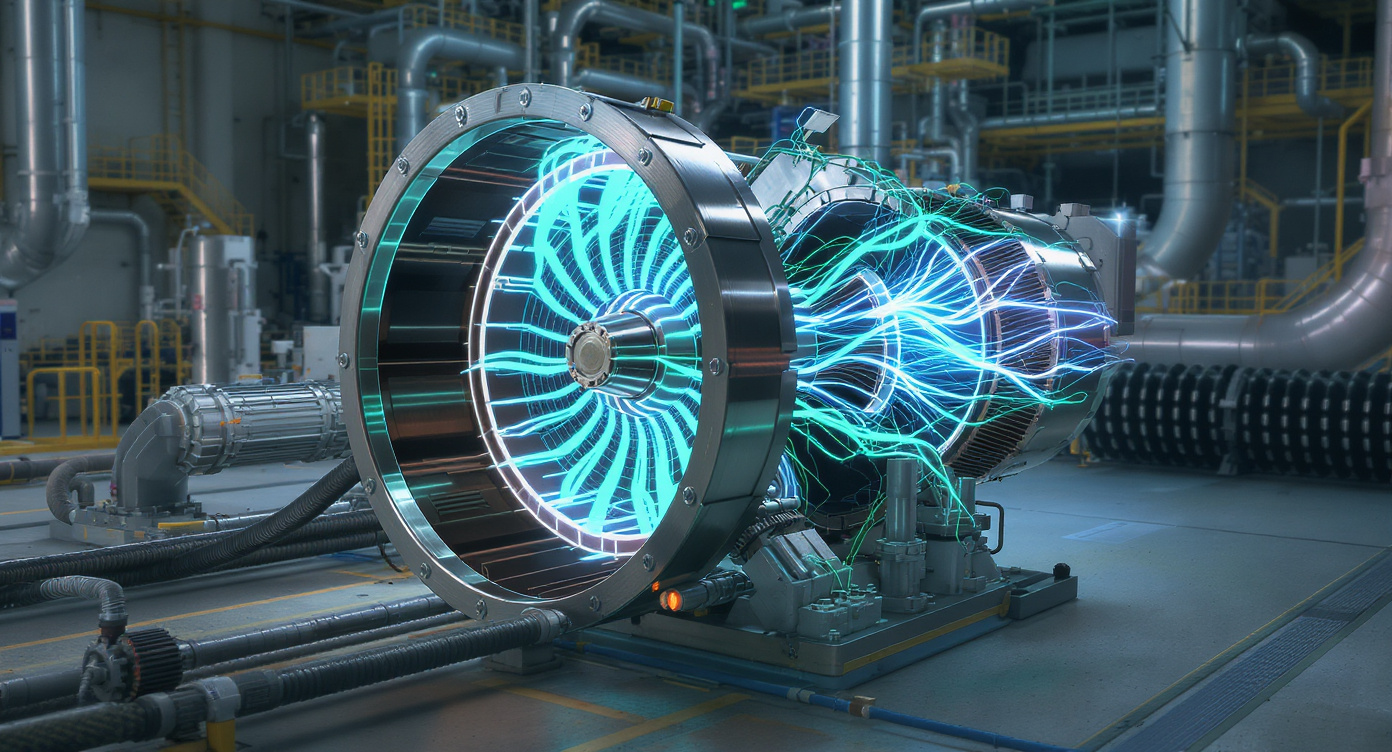
A research team has developed a new-generation gas turbine that uses hydrogen and internal shock waves, setting a record for operational duration and paving the way for efficient carbon-free energy solutions.
New Record in Hydrogen Turbine Technology
Experts from the Karlsruhe Institute of Technology (KIT) have achieved a significant milestone in renewable energy by setting a new record for continuous hydrogen turbine operation without the use of a compressor. Their experimental system ran for 303 seconds, surpassing NASA's previous record of 250 seconds. Operating for over five minutes demonstrated the practical viability of this technology for electricity generation.
Design Features and Operating Principle
Traditional gas turbines, used in power plants and jet engines, consume about half of the generated energy on mechanically compressing air to sustain combustion. The new system eliminates these losses through a pressure-boosted combustion technology. Instead of moving parts for air compression, the required high pressure is achieved using natural vortex flows and internal shock waves within the combustion chamber.
Technical Achievements
During testing, the team successfully utilized an intense and rapid combustion process to spin the turbine and generate electricity for the first time. Transferring energy from such an unstable environment was previously considered a complex technical challenge.
Application Prospects
This technology can operate on various fuels, but hydrogen is especially effective for this engine due to its high reaction speed and stable pressure increase. The absence of a compressor allows for lighter, cheaper, and more efficient power plants, and in the future, the technology could be used in the aviation industry. The prototype is scheduled to be presented to the public at the Hannover Messe industrial exhibition in April 2026.