

Steam Deck shortage worsens due to demand for AI
The shortage of the portable Steam Deck console has now reached Europe and Canada due to a lack of memory and storage components, caused by increased demand for parts used in artificial intelligence. At this time, it is still unclear when supplies will be restored.
Vector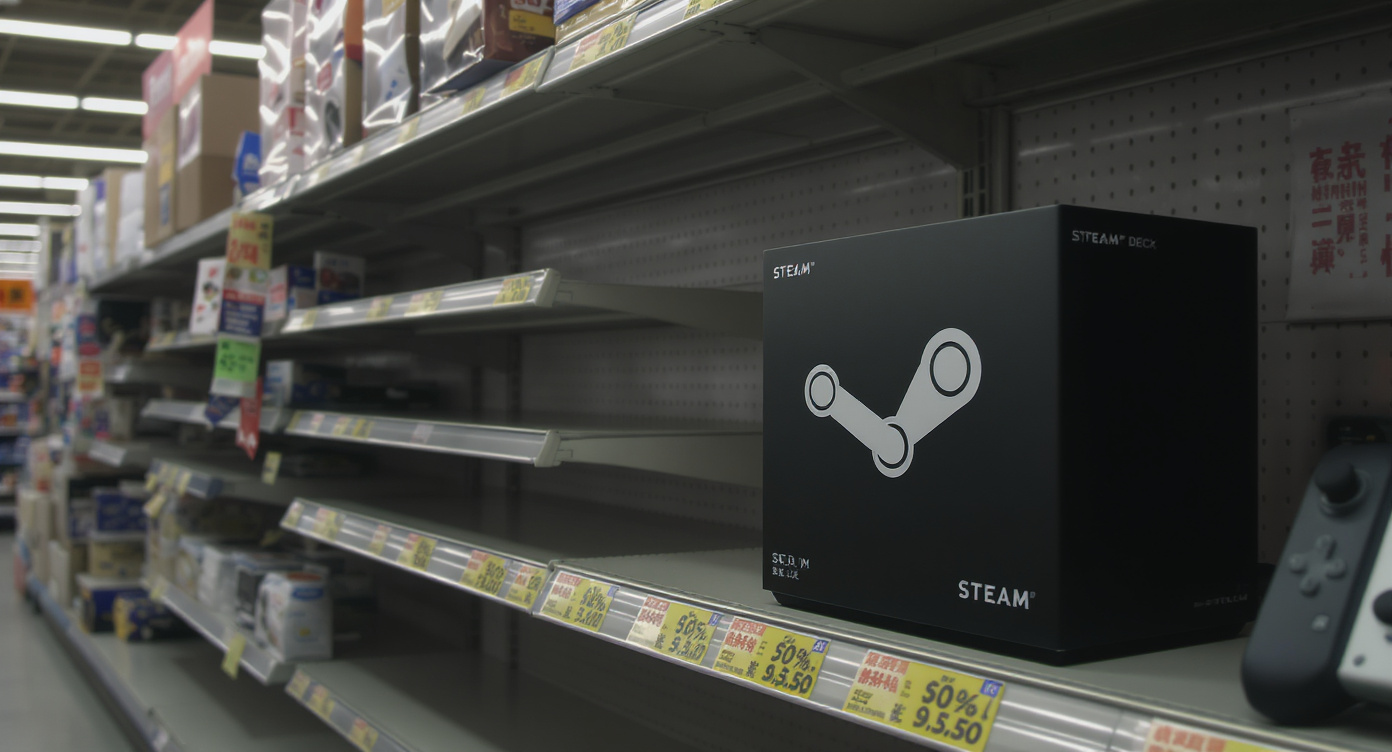
Steam Deck Shortage Expands to New Regions
The portable gaming console Steam Deck is becoming increasingly difficult to purchase, not only in the United States but also in other countries. After several weeks of supply disruptions in the US and some Asian regions, the shortage has now spread to Canada and Europe.
Causes of the Shortage and Regions Affected
Valve has reported that the supply issues are due to shortages of memory components and storage devices in certain regions. What started as local inventory problems has grown into a larger, global shortage. Currently, the Steam Deck is unavailable for sale in Germany, Austria, Poland, France, several other EU countries, as well as in Canada and Japan. At the same time, the console remains available in Australia, the United Kingdom, Hong Kong, South Korea, and Taiwan.
Model Availability and Prospects for Restoring Supply
Production of the Steam Deck LCD model has been discontinued, which explains its absence from the market. However, the availability issues are also affecting the current lineup of devices. It is still unclear when supply will be restored in the affected regions. Valve’s East Asian partner, Komodo Station, expects availability to return to its markets by the end of the month, but no global timeline has been announced yet.
Impact of Component Demand
The shortage of memory and storage is linked to the growing demand for infrastructure supporting artificial intelligence. Major tech companies and data centers are investing heavily in servers equipped with more AI GPUs, which require large amounts of high-speed memory (HBM) and NAND storage. Since AI-focused companies are willing to pay higher prices, chip manufacturers are prioritizing their orders, reducing production capacity for consumer devices like the Steam Deck. As a result, portable gaming devices now compete with AI clusters for the same components.
Consequences for the Electronics Market
Previously, prices for RAM and SSDs increased by two to five times compared to last year. This was followed by laptop manufacturers such as Dell, Lenovo, and Framework, who announced price hikes due to rising component costs. Even Apple has warned of potential impacts on its financial results in the second quarter as the company struggles to secure enough memory supplies.
The Steam Deck may become the first portable gaming console to be seriously affected by the component shortage. However, if supply pressures persist, similar problems could impact other devices as well.