

Yamaha Brings Back the V4: A New Era in MotoGP
Yamaha is ending the era of its legendary inline M1 engine and switching to a V4 to stay competitive in MotoGP. The new engine promises improved performance and handling, while for fans, it marks a return to the brand’s historic roots.
Ingenium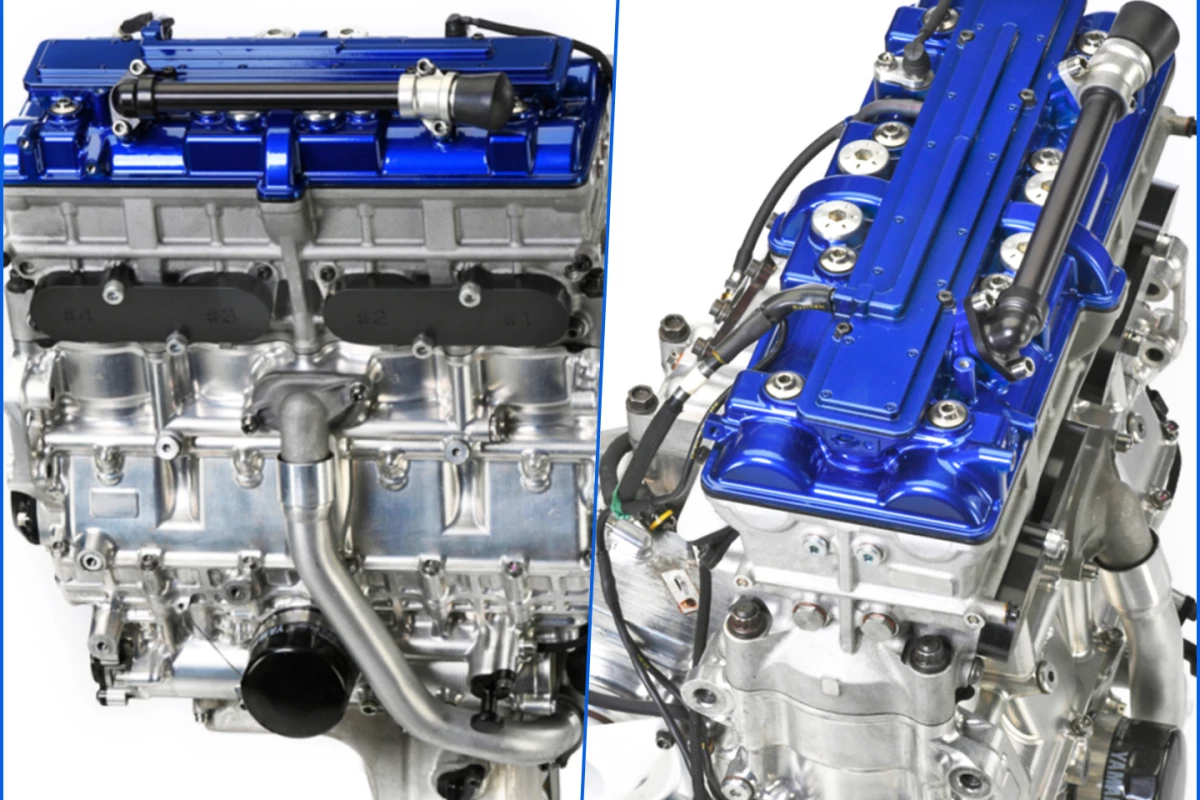
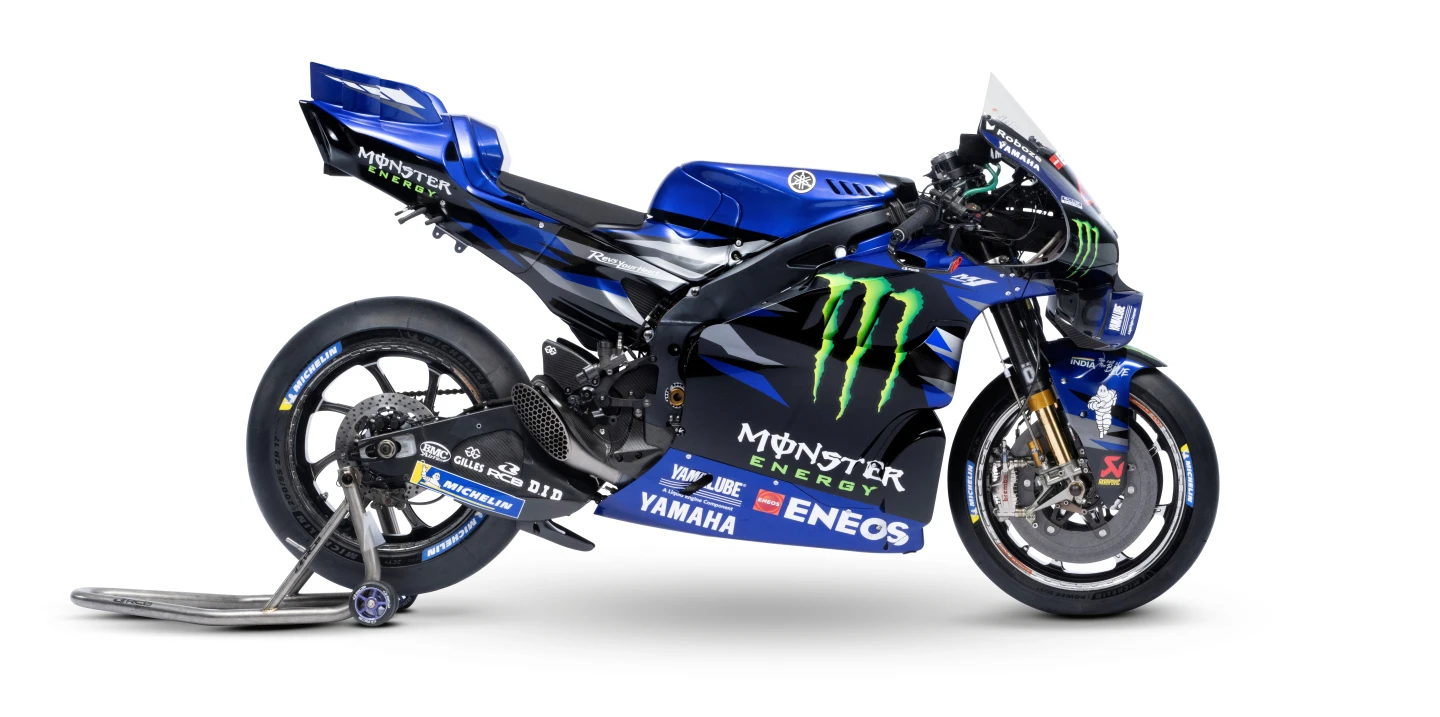
Recently, Yamaha officially announced the end of an era for its legendary four-cylinder "big-bang" M1 engine—a platform that has brought the company eight MotoGP riders’ championships since its debut in 2002.
Reasons for the Change
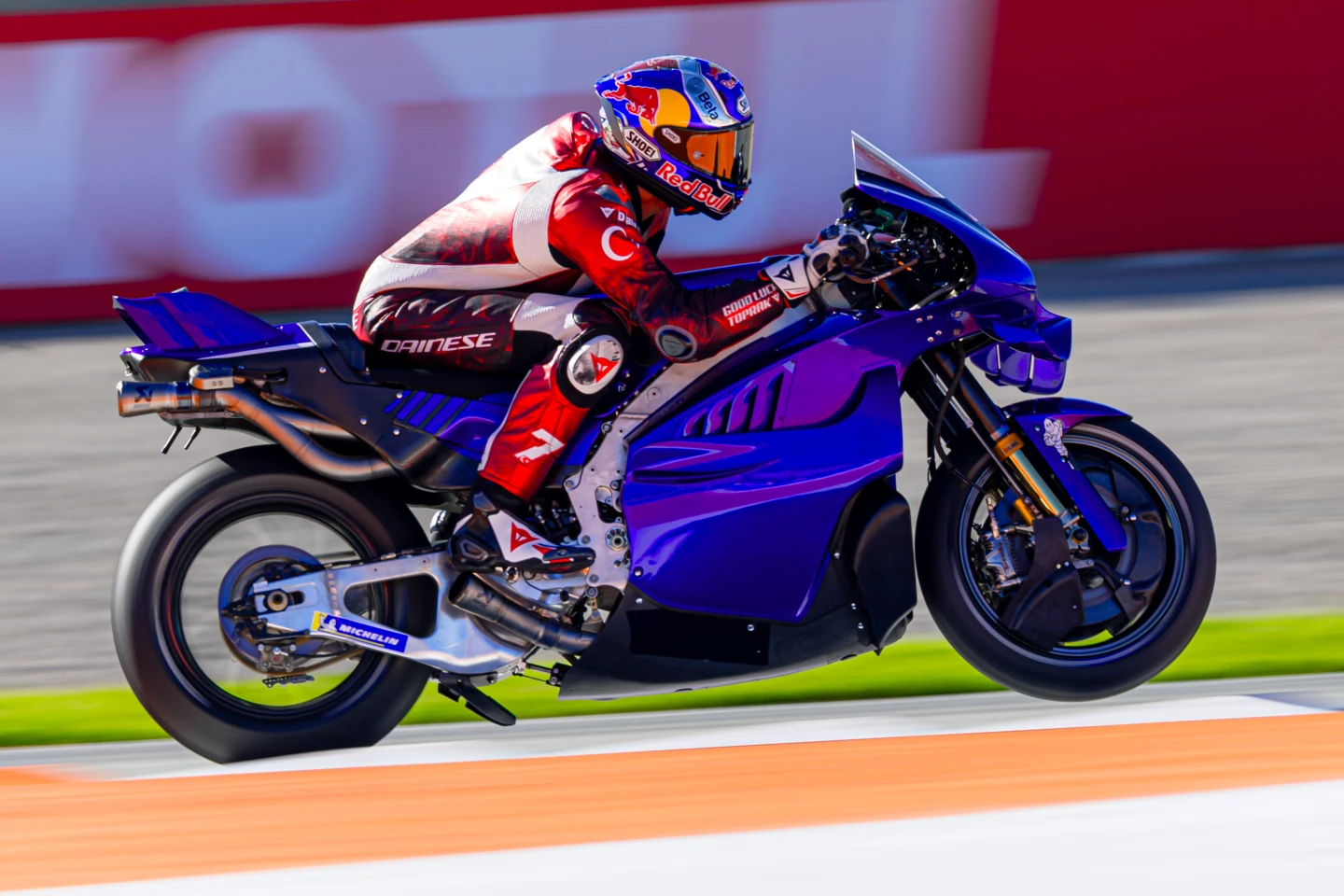
This decision comes after Yamaha finished last in the manufacturers’ standings this season. The last victory with this inline four-cylinder engine was in 2022. Now, a new V4 engine is set to replace the previous configuration. The V4 has been undergoing intensive testing for most of this year and will hit the track three times in 2025 with Augusto Fernandez. The latest engine tests took place last month in Valencia.
A Return to Roots
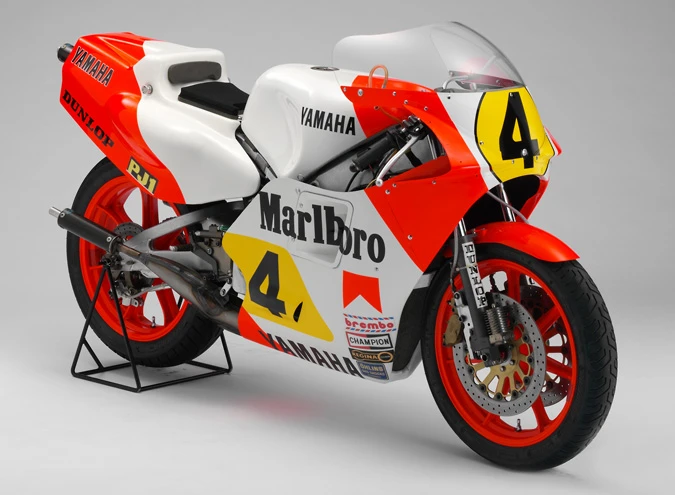
For Yamaha and V4 fans, this marks a return to the golden era of 500cc racing, when the YZR500 with its two-stroke V4 dominated and brought championship titles to Eddie Lawson (1984, 1986, 1988) and Wayne Rainey (1990, 1991, 1992). After MotoGP switched to four-stroke engines, Yamaha abandoned the V configuration in favor of inline-fours, gaining extra rear tire grip thanks to the unique M1 firing order (1+3, 2+4), which made the sound resemble a twin-cylinder engine. For many years, the V4 was just a memory for Yamaha fans—until now.
A Strategic Step Toward the Future
Yamaha Factory Racing Technical Director Massimo Bartolini explained:
“The switch to a V4 is a strategic move that will help us prepare for the technical regulations coming in 2027, when this configuration will offer advantages in motorcycle layout and aerodynamics.”
Why Does This Matter?
Valentino Rossi, Jorge Lorenzo, and Fabio Quartararo all achieved victories thanks to Yamaha’s inline “big-bang” engine. This motor competed in 429 Grands Prix, earned over 350 podiums and 125 wins, as well as five manufacturers’ cups, seven team titles, eight riders’ championships, and five MotoGP “triple crowns.”
Why Switch to a V4?
Many believe the move to a V4 is an attempt to keep Fabio Quartararo on the team after next season. However, the reasons run deeper. The limitations of Yamaha’s inline engine have long been known. According to Jack Miller from Pramac—who has won races on V4 Hondas and Ducatis and stood on the podium with a V4 KTM—Yamaha “tried everything” with the inline-four, but “the problems remained.”
Miller notes:
“All four cylinders are positioned above the front wheel (in the inline engine), so no matter how you move the fuel tank, the weight always shifts forward.” He believes Yamaha had to make a “radical change” and switch to a V4 because of fundamental differences in weight distribution.
With a V4, “the rear bank of cylinders moves everything slightly back. It’s just about layout and how everything is arranged. That’s how the V4 works compared to the inline engine.”
Expectations for the New Engine
Yamaha expects the new V4 to deliver better acceleration, improved braking stability, and greater adaptability to modern tires and aerodynamics. The new V4 will debut in MotoGP in 2026.
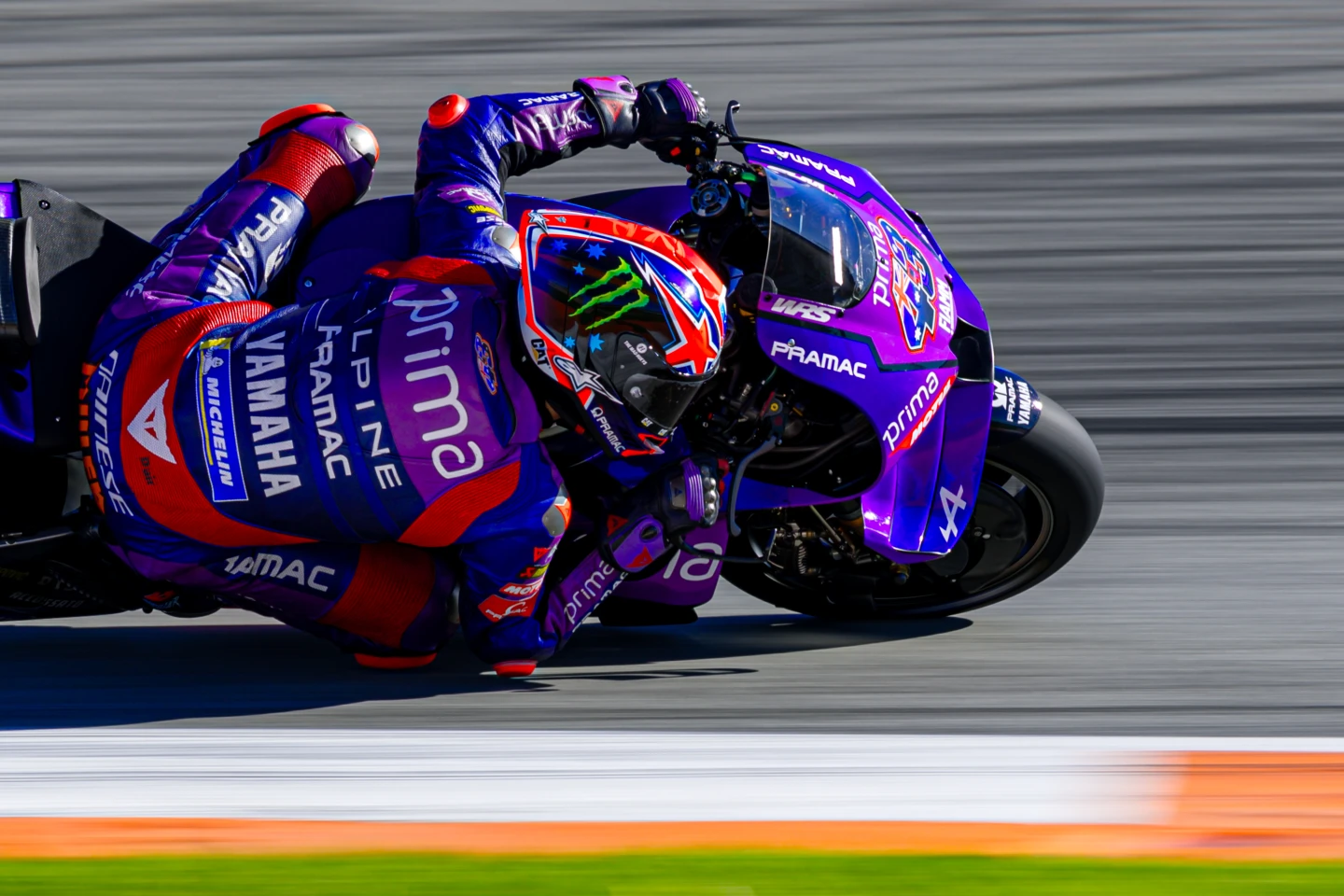
The Return of a Legend
For most fans, this isn’t just a long-awaited change; it’s a return to the roar of exhausts, aggressive lean angles, and the unique spirit of the two-stroke engines from the 1980s and 1990s. What’s old is new again—and perhaps we’ll witness a Yamaha renaissance in GP racing with this new configuration.