

Backrooms: How an Internet Horror Became a Cultural Phenomenon
The Backrooms phenomenon is a collaboratively created internet world of endless empty rooms that has become a symbol of digital culture. Its popularity is driven by a unique blend of unsettling atmosphere, interactivity, and the absence of a fixed mythology, allowing every user to contribute to the evolution of this virtual space.
Crius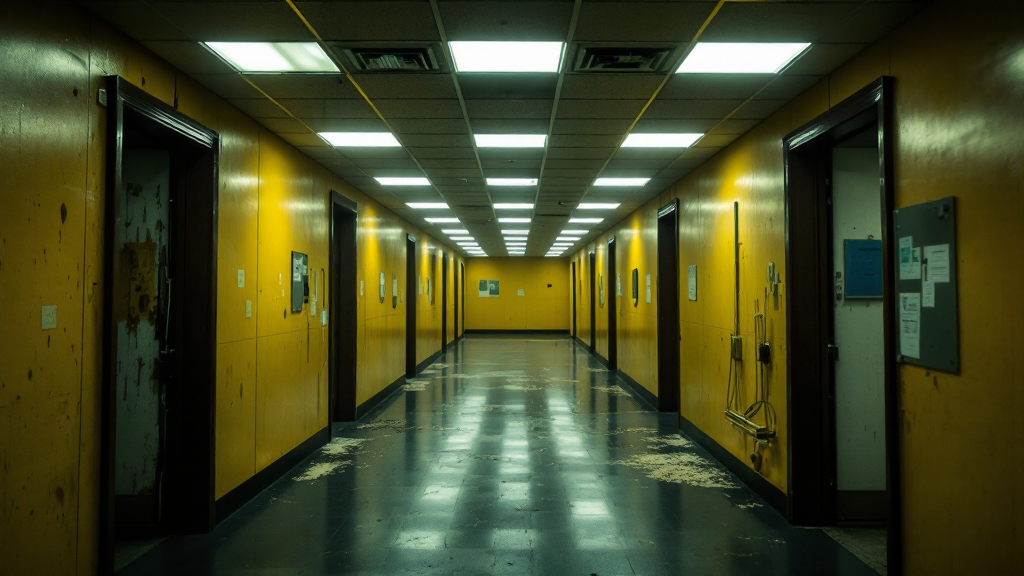
What Are the Backrooms and Why Has This Phenomenon Become Part of Pop Culture?
Origins and Essence of the Backrooms
The Backrooms are a fictional internet reality, imagined as an endless maze of empty rooms lit by fluorescent lights. According to the concept, a person can accidentally find themselves in this space after slipping out of normal reality, with no obvious way to escape. The phenomenon first appeared in 2019 on the 4chan forum and quickly spread to platforms like Reddit, TikTok, YouTube, and gaming communities. Users collectively create maps, invent stories, and expand the mythology of this world.
Impact on Digital Culture
The Backrooms gained popularity thanks to viral videos, images, and stories about mysterious corridors with yellow wallpaper and deserted office spaces. Short films in the "found footage" genre, published on YouTube, have been especially influential in making the Backrooms one of the most recognizable horror spaces on social media. Currently, a feature film based on the Backrooms is in development.
Differences from Traditional Urban Legends
While the Backrooms may resemble other internet legends, research shows that this phenomenon reflects a shifting interest in spaces associated with anxiety, fear, or trauma, as well as new ways of experiencing them through media. Unlike traditional stories, the Backrooms have no fixed mythology or geographic location, allowing every participant to contribute to the development of the world.
Collective Participation and Content Creation
On social networks and fan pages, the Backrooms continue to grow in popularity. Users create maps, fictional diaries, survival guides, found footage-style videos, and first-person explorations. This approach sets the Backrooms apart from classic horror films: the audience doesn't just watch—they actively participate in creating and exploring the environment.
Connection to the "Dark Tourism" Phenomenon
Studies in the field of "dark tourism" show that people are drawn to places linked to tragedies, disasters, or the supernatural. The Backrooms take this logic in a new, collective direction: they have no physical location or historical tragedy, but offer an imagined online environment of unease and abandonment.
How the Backrooms Are Perceived
The popularity of the Backrooms is explained by the absence of a fixed mythology or geographic reality. Users themselves fill these spaces with meaning, which feel both strangely familiar and anonymous. The interiors of the Backrooms resemble typical modern "non-places"—corridors, offices, hotel spaces—that are recognizable but rarely noticed.
New Forms of Digital Experience
The Backrooms demonstrate how digital culture reinterprets experiences traditionally associated with tourism, turning the ordinary into something unsettling. This world functions not as a narrated story, but as a space you can enter through videos, games, VR experiences, and other online formats, blurring the lines between storytelling, gameplay, and participation.
Significance for the Future of Digital Worlds
The Backrooms point to a trend where collectively imagined digital worlds become meaningful cultural environments. These are places people explore, experience emotionally, and return to, even though they don't exist in physical reality.