

Control: Resonant — a fresh perspective on combat mechanics
In Control: Resonant, players explore a distorted Manhattan filled with anomalies, taking on the role of a new protagonist who relies on close-quarters combat. The development process involved experimentation and teamwork to achieve a balance between innovation and gameplay.
Crius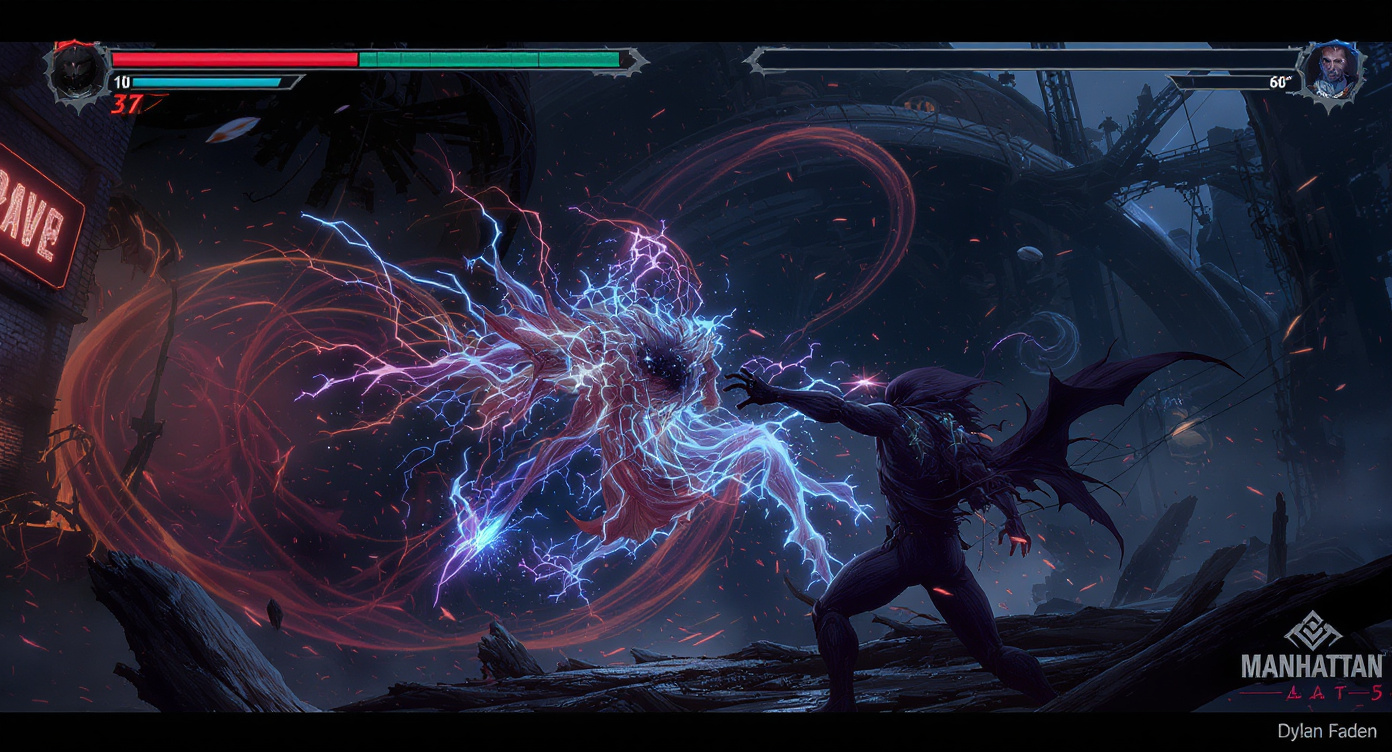
Developing games with unique supernatural mechanics has become one of Remedy's main focuses in recent years. Among the company's standout projects are Alan Wake 2, Control, and the upcoming Control: Resonant. This new sequel expands the Control universe, introducing a new protagonist—Dylan Faden—who now relies entirely on hand-to-hand combat instead of firearms.
The game is set in a distorted version of Manhattan, where players encounter anomalies such as shifting gravity, time rifts, and unpredictable enemies and events. Creating such ambitious projects often comes with the risk of losing balance in game design.
Features of Control: Resonant's Development
Control: Resonant is Remedy's first game to put a primary emphasis on melee combat. After the release of the original Control, the team began work on the sequel, going through multiple stages of prototyping and refining the game engine to realize their vision of an open world.
The development process included early experiments and testing, which allowed the main production cycle to take between two and three years. In the initial stages, the team focused on concept development, building technologies and tools, and preparing for pre-production and subsequent full-scale development.
Organization and Team Collaboration
To bridge gaps between production cycles, the team used a process of sharing the project's vision between two development phases. This was achieved through brainstorming sessions involving leaders from different disciplines, who helped shape the game's core ideas and concepts. After the early stages, these leaders returned to their teams, gradually updating them on key development steps and adjusting tasks as needed.
Within the team, there was always room to revisit decisions and explore alternative solutions if challenges arose. This approach to engagement and investment in the project helped maintain team cohesion and a shared understanding of overall goals at every stage of development.