

Capcom Will Ban Generative AI in Final Games
Capcom has announced that it will not use materials created by generative AI in the commercial versions of its games, but will continue to utilize AI to speed up development and generate ideas.
Crius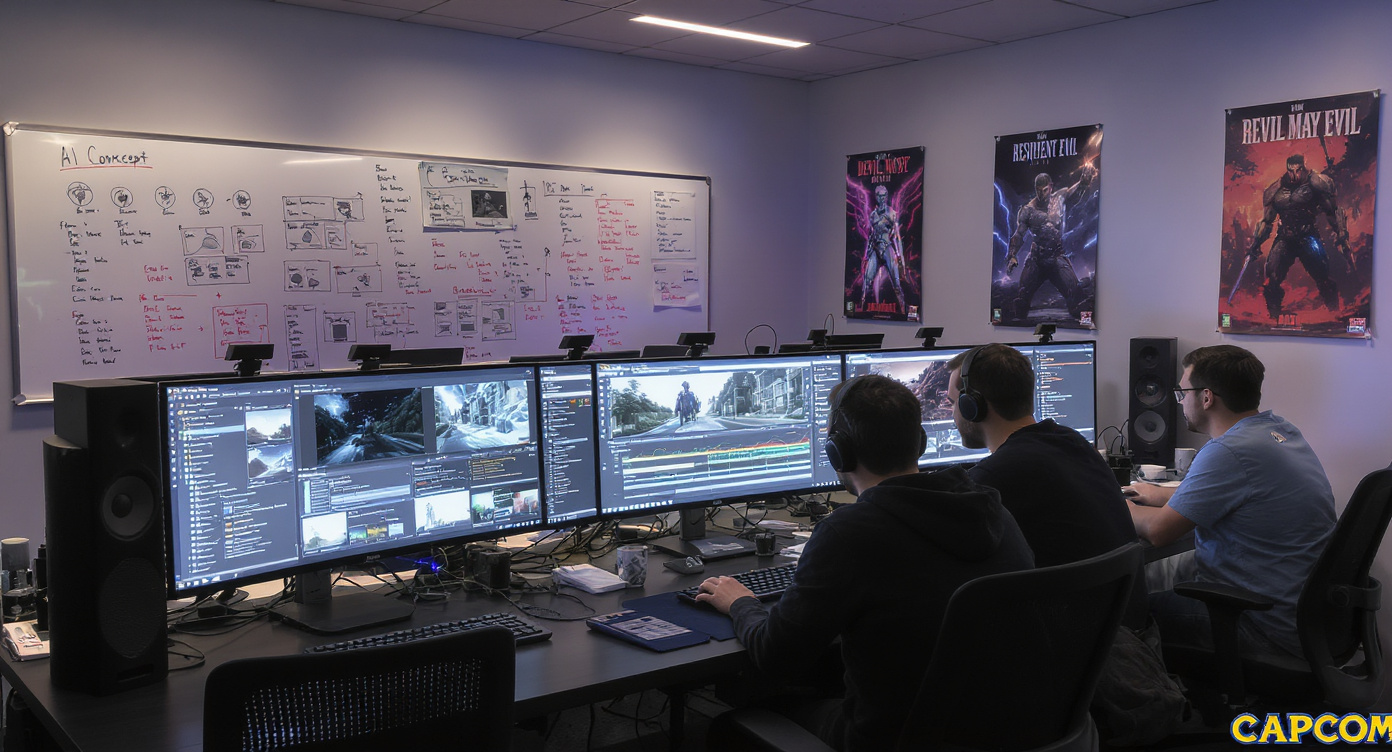
Capcom has announced that it will not use materials or assets created with generative artificial intelligence in the commercial releases of its games. However, the company is considering the use of generative AI to speed up development in areas such as graphics, sound, and programming, treating the technology as a productivity tool rather than a source of final game content.
AI in Game Development
The company emphasized that it does not plan to implement AI-generated materials or assets in released games, but intends to use generative AI to optimize workflows and improve overall development efficiency. Capcom is currently exploring ways to apply this technology in various fields, including graphics, audio, and programming.
Impact on Game Franchises
This approach means that popular Capcom series like Devil May Cry, Monster Hunter, and Resident Evil will not feature textures, artwork, or other game elements created by generative AI. It also helps avoid situations like the recent incident with Pearl Abyss, where AI-generated assets and art were discovered in the release version of Crimson Desert, prompting the studio to issue clarifications.
AI Experiments and Future Plans
Despite the decision not to use AI assets in final products, Capcom continues to experiment with generative AI for generating new ideas. Starting January 2025, the company will explore the potential of this technology for creating concepts for environments, items, and objects. The main goal is to accelerate development and enhance the quality and depth of its games.
Capcom also stated its intention to focus on developing games for consoles, PC, and mobile devices, including projects like Monster Hunter Now and mobile versions of Resident Evil.
Context and Industry Response
The issue of generative AI use was raised by investors shortly after the NVIDIA DLSS 5 presentation, where Resident Evil Requiem characters redrawn with generative AI were showcased. This came as a surprise to Capcom’s art team, as they had not been informed about such changes prior to the presentation.