

The US has approved its first new reactor in a decade.
For the first time in ten years, the United States has approved the construction of a new fourth-generation Natrium nuclear reactor. This project marks a step toward the revival of civilian nuclear energy and introduces innovative technologies to enhance efficiency and safety.
Vigor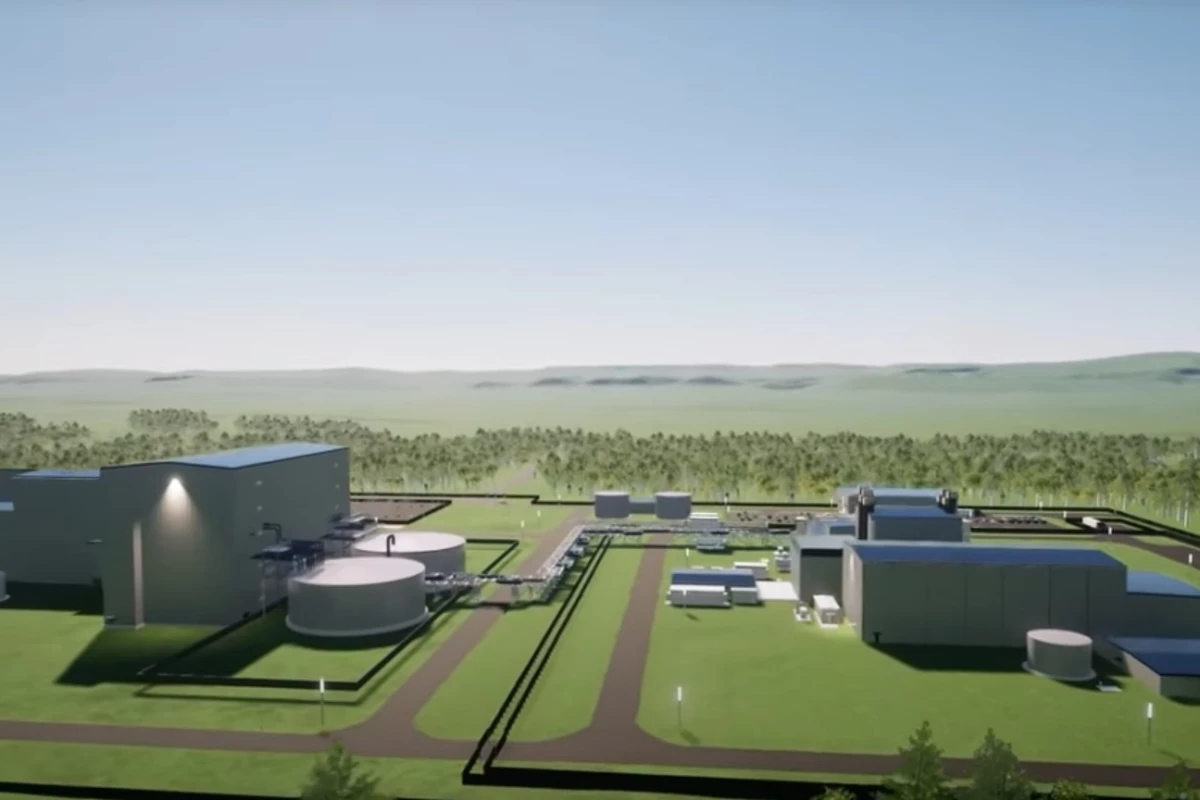
The United States has approved the construction of the fourth-generation Natrium reactor by TerraPower, marking the first such permit for an American nuclear reactor in the past decade. This decision, made by the Nuclear Regulatory Commission (NRC), is seen as a step toward reviving civilian nuclear energy in the 21st century.
Historical Context of Nuclear Energy Development in the USA
In the past, the United States held a leading position in nuclear energy, developing numerous first- and second-generation reactor designs that form the basis of most modern nuclear facilities. However, in the 1970s, there was a significant shift in policy regarding civilian nuclear power. Programs for nuclear fuel reprocessing and fast breeder reactors were halted, and the environmental movement opposing atomic energy influenced federal policy. The Three Mile Island accident in 1979 further eroded public trust in nuclear energy.
As a result, the Energy Reorganization Act of 1974 was enacted, and after the Three Mile Island incident, the Kemeny Commission investigation began. Oversight of the civilian nuclear program shifted from the Atomic Energy Commission to the newly established Nuclear Regulatory Commission (NRC), whose primary focus became safety rather than industry development.
Recent Regulatory Changes
Stricter regulations, lengthy approval processes, high costs, and frequent lawsuits from activists have significantly slowed the launch of new nuclear projects. For decades, no new reactors were built in the US, and the last approval for a new reactor application was granted about ten years ago.
Currently, the US government is working to revive the nuclear sector by streamlining regulatory procedures to encourage the construction of new plants while maintaining safety standards.
The Natrium Demonstration Project
The Natrium demonstration project is being implemented for the first power unit of a power plant in Kemmerer, Wyoming. Construction is managed by US SFR Owner, LLC (USO), a subsidiary of TerraPower. The project is part of the US Department of Energy’s Advanced Reactor Demonstration Program (ARDP), and construction of the plant’s non-nuclear facilities began in 2024. With NRC approval, work on the nuclear portion of the facility can now commence.
Natrium will be the first non-light-water reactor built in the US since the 1980s. The project is progressing rapidly: technical review was completed in less than 18 months, the official application was accepted in May 2024, the safety evaluation is expected in December 2025, and the environmental impact statement in October.
After construction is finished, the operator will need to obtain a separate operating license before the plant can begin generating electricity.
Technical Features of the Natrium Reactor
The Natrium reactor is a fast neutron reactor, meaning neutrons are not slowed down by moderators such as water or graphite. It requires higher fuel enrichment—up to 19.75% compared to about 5% for conventional light-water reactors.
Instead of water, liquid sodium is used as the coolant. Sodium melts at around 880 °C and is transparent to neutrons. It circulates around the fuel at nearly atmospheric pressure, eliminating the need for massive high-pressure containment vessels used in traditional reactors.
This configuration allows operation at higher temperatures and increases thermal efficiency to about 41%, compared to 31% for conventional reactors. It also enables more complete fuel burnup and potentially allows some types of nuclear waste to be used as fuel.
Safety and Innovation
The design offers significant safety advantages. Liquid sodium can circulate naturally through the system even if pumps fail, providing passive cooling. If the core temperature rises, the fuel expands, automatically reducing the rate of the nuclear reaction.
Energy Flexibility
The plant features a separated layout: the reactor is isolated from the electricity generation system. Heat from the reactor is transferred via a secondary sodium loop to intermediate heat exchangers, which then deliver energy to a molten salt circuit connected to thermal storage tanks.
The molten salt tanks serve as energy buffers. While the reactor operates at a constant thermal output of 840 MW, the stored heat can be supplied to steam turbines as needed to meet fluctuations in electricity demand. This flexibility can help stabilize power grids that are increasingly reliant on variable renewable energy sources.